







All Blogs
Industry
Topic
-
 BlogNew technology accelerates digital transformation in corporate travelExplore digital transformation in corporate travel, enhancing traveler and manager experiences with AI, cloud computing and automation. Learn more.
 -
 BlogImpact of Artificial Intelligence on Airline Revenue ManagementExplore how artificial intelligence is transforming airline revenue management, from hybrid AI forecasting to dynamic pricing and smarter RM workflows. Learn more.
 -
 BlogHow we designed a storefront for the next wave of travelers: the Travel MixologistTravel Mixologists blend inspiration from social and reviews. See how Amadeus Travel Storefront keeps discovery on your website and captures intent. Learn more.
 -
 BlogHow do you transform travel with AI?How is AI Transforming the Travel Industry? Discover how Amadeus uses trusted data, deep integration, and strong governance to scale AI in travel.
 -
 BlogAirline Loyalty Schemes: What value do travelers see in them?What is loyalty schemes airlines—how they drive data, revenue, and real loyalty beyond points. Learn more
 -
 BlogThree lessons from a decade of transformational change at Lufthansa Innovation HubDiscover three key lessons from Lufthansa Innovation Hub’s decade of driving travel innovation, from strategic research to collaboration and cultural transformation. Learn more.
 -
 BlogSustainability in travel will only advance with common standards and global collaborationInterview with Lucas Bobes of Amadeus on how technology, SAF and common standards can drive global collaboration for sustainable travel. Learn more.
 -
 BlogThese are the travel startups you should know about in 2026Discover the travel startups to watch in 2026, focused on AI and data, as travel companies adapt and scale.
 -
 BlogITB Berlin: Exploring digital identification and seamless mobilityITB Berlin insights from Amadeus on digital identity and seamless mobility: how verified ID reduces friction, queues and stress in travel. Learn more.
 -
 BlogGive to Gain: how Amadeus is empowering women inventorsHow Amadeus empowers women inventors through inclusive innovation, IP support and a culture that turns ideas into real impact. Learn more.
 -
 BlogExploring your options: The benefits of procuring corporate travel solutions directlyDiscover the benefits of procuring corporate travel solutions directly to gain control, agility, innovation access, and a seamless booking experience. Learn more.
 -
 BlogTrust, scale and collaboration: The opportunity for orchestrating travel AIDiscover how Amadeus addresses AI orchestration by reducing fragmentation, boosting trust, and driving collaboration across the travel industry. Learn more.
 -
 BlogHow data, AI, and collaboration fueled a transformational leap in cruise revenue innovationDiscover how AI, data and collaboration between IDeaS and Amadeus are driving innovation. Learn more.
 -
 BlogHow are new delivery management systems transforming the airline service recovery experience?Discover how new Delivery Management Systems enhance airline service recovery with personalized, seamless, multi-modal travel experiences. Learn more
 -
 BlogSustainable engineering: how we created and shared a brand new open-source carbon measurement engineCarmen delivers a scalable carbon measurement engine to support sustainable engineering and greener software development. Discover now.
 -
 BlogA year of transformational impact: Amadeus’ sustainability milestones in 2025Explore Amadeus Sustainability milestones in 2025 that advance greener travel, social impact and transparent reporting. Discover now.
 -
 BlogTop Travel Trends for 2026: What Travelers Will Want NextAmadeus and Globetrender reveal 2026 travel trends: six key insights shaping the future of journeys and traveler experiences worldwide. Learn more.
 -
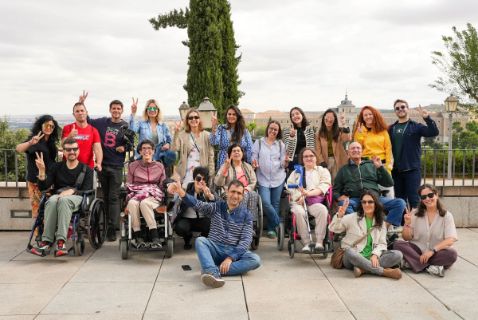 BlogUnique skills, collective action, global impact: our Community Impact achievements in 2025Find out more about how teams across Amadeus have contributed to our Community Impact initiatives
 -
 BlogBCD, an Amadeus customer transforming travelIn conversation with BCD’s John Palomino: why BCD is transforming its core tech stack with Amadeus to deliver scalable corporate travel experiences. Learn more.
 -
 BlogHow can we scale seamless border crossings with the Digital Travel Credentials (DTC)?Discover how Digital Travel Credentials (DTC) will enable faster, secure border crossings and transform the future of seamless air travel
 -
 BlogTrip.com Group, an Amadeus customer transforming travelTrip.com Group honors decade of transformation alongside Amadeus
 -
 BlogBuilding a more inclusive future: launching ENABLE at AmadeusAmadeus launches ENABLE, an Employee Resource Group supporting people with visible and non-visible disabilities, fostering inclusion and allyship. Learn more.
 -
 BlogA recipe for a transformational yearThe milestones that defined 2025 transformative year in travel—from booking to arrival—creating journeys that are personalized, seamless, and powered by smart data.
 -
 BlogTransforming Travel: how innovation is powering the next era of growthAmadeus explores how AI, partnerships, and innovation are reshaping travel, creating seamless, connected experiences and sustainable growth. Learn more.
 -
 BlogHow Amadeus is orchestrating AI for the benefit of the travel industryDiscover how Amadeus orchestrates AI to unify the travel ecosystem, improve data access, and enable seamless, personalized traveler experiences. Learn more.
 -
 BlogTech4Impact: how Amadeus volunteers turned skills into transformational changeDiscover how Amadeus Tech4Impact volunteers used their skills to drive global social impact and support NGOs through innovative tech solutions.
 -
 BlogHow do open corporate travel platforms drive innovation?As travel programs face mounting pressure to deliver efficiency, traveler satisfaction, and measurable sustainability results, maintaining openness will prove vital.
 -
 BlogThanksgiving Travel 2025: Sunlit Getaways, Stadium Cheers, and a New Era of Intentional TravelExplore Thanksgiving travel trends for 2025: market insights, booking data, and strategic opportunities for Thanksgiving travel. Learn more.
 -
 BlogAmadeus Travel Tech Talk: Transforming Travel with AI - Insights from Acai Travel and AmadeusDiscover how Acai Travel and Amadeus are transforming the travel industry. Hear from Riccardo Vittoria and Gabriel Langella as they discuss how AI is reshaping travel. Learn more.
 -
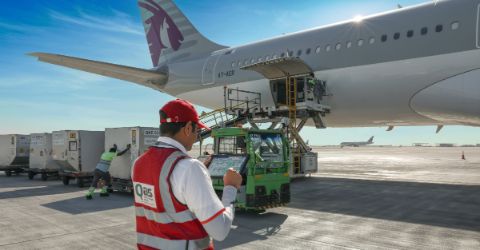 BlogHow Qatar Aviation Services innovated with industry-first integration to cut 70,000 hours of manual workQatar Aviation Services saves 70,000 hours yearly with Amadeus Altéa FM and BRS integration, boosting baggage handling speed and safety.
 -
 BlogHow do you transform travel thanks to Intellectual Property?How do you transform travel thanks to Intellectual Property?
 -
 BlogWhy the PNR needs to evolve to be more traveler-centricThe PNR (Passenger Name Record) holds key booking details used by airlines. But to meet modern expectations, it must evolve to support travel seller and traveler needs
 -
 BlogRevisiting the travel trends for 2025 - how did we do?At the start of the year, Amadeus revealed five trends which it predicted would influence the industry in 2025. Ten months in, how close has Amadeus come to getting it right?
 -
 BlogHow is Amadeus’ Distributed Data Exchange Project helping build a frictionless travel experience?This project aims to create open-source, cloud-agnostic capabilities that enable decentralized data sharing across the travel and mobility ecosystem. In time, this will facilitate the exchange of data between different companies across the travel industry.
 -
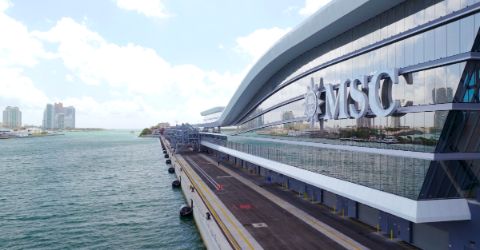 BlogMSC, an Amadeus customer transforming travelMSC is transforming the guest experience at the MSC Miami Cruise Terminal with biometrics from Amadeus, cutting check-in time by 50% for a seamless guest experience.
 -
 BlogWhy does freedom of choice matter in corporate travel?Mark Cullen CCO, Amadeus Cytric takes a look at how travel programs are being reshaped by changes in the technology landscape.
 -
 BlogHow contextualized airline retailing is powered by modern delivery management systemsModern delivery management systems enables personalized airline retailing by facilitating real-time, contextualized service delivery across digital and physical touchpoints
 -
 BlogSouthwest Airlines, an Amadeus customer transforming travelSmarter Scheduling with Amadeus: How Southwest Optimizes Every Flight.
 -
 BlogAn introduction to airline delivery management systems podcastIn this podcast you’ll be introduced to the key ideas behind modern airline delivery management systems and airline retailing technology. Listen now.
 -
 BlogHow does Amadeus empower travel industry professionals through digital upskilling?Amadeus looked at learning and knowledge services that help customer teams use our solutions with confidence.
 -
 BlogThe five W’s of the travel experience transformationDiscover the five W's of travel experience transformation, exploring how technology and collaboration are reshaping the industry to meet traveler needs. Learn more.
 -
 BlogDriving the digital transformation of the hospitality industryExplore the digital transformation in hospitality, enhancing guest experiences with AI, cloud computing, and automation. Learn more.
 -
 BlogNext generation technology accelerates digital transformation in airlinesExplore how next-gen technology accelerates digital transformation in airlines, enhancing customer experiences and operational efficiency. Learn more.
 -
 BlogNew technology drives airport digital transformationExplore Digital Transformation in Airports with AI, biometrics, and cloud tech. Revolutionizing travel experiences and enhancing efficiency. Learn more.
 -
 BlogNew technology fast-tracks digital transformation in travel agenciesExplore how digital transformation in travel agencies enhances customer experiences and streamlines operations with new technologies. Learn more.
 -
 BlogHow is BAGTAG supporting Icelandair with its digital transformation?Discover how BAGTAG is driving Icelandair's digital transformation with innovative solutions for seamless travel experiences. Learn more.
 -
 BlogWhy travel sellers matter more than ever – And why hoteliers and destinations should take noteDiscover why travel sellers are key to shaping seamless, personalized journeys in today’s evolving travel landscape. Learn more.
 -
 BlogVoyzant Loyalty, an Amadeus customer transforming travelDiscover how Voyzant Loyalty and Amadeus are Transforming Travel with innovative technology and seamless customer experiences. Learn more.
 -
 BlogAmadeus Cytric is boosting choice for business travelers with Sabre NDC integrationAmadeus Cytric is GDS-agnostic and designed to offer content from the widest range of sources. This latest agreement underscores that position.
 -
 BlogThe traveler - millions of individual transitions create one collective transformationDiscover how the travel industry evolves through individual transitions and global transformations, shaping modern travel experiences. Learn more.
 -
 BlogNew technology accelerates digital transformation in the travel industryExplore how new technology accelerates digital transformation in the travel industry, enhancing customer experiences and driving growth. Learn more.
 -
 BlogHow do you transform the travel industry with AI agents?Discover how AI agents are transforming the travel industry. Explore real-world applications from Amadeus, including AI-powered assistants for airlines, airports, and hospitality providers, driving automation, efficiency, and customer satisfaction.
 -
 BlogTransforming Hospitality with AI: Insights from hivr.ai and Amadeus VenturesIn this episode of the Travel Tech series, we are discussing with Suzanna Chiu, Head of Amadeus Ventures and Felix Undeutsch, CEO and co-founder of hivr. about the continuous transformation of the travel industry, Hivr's mission to automate manual processes in hotels, and the strategic investment by Amadeus Ventures.
 -
 BlogAirline Retailing in Action podcast: from optimizing revenue to transforming retailing with British AirwaysA conversation with British Airways on the airline’s transformation program and the role of technology as the industry shifts to Offer and Order based retailing. Learn more.
 -
 BlogMulti-cloud and AI-driven vision: how Amadeus operates, transforms and innovates at scaleAmadeus provides critical infrastructure services to the global travel industry, powering several billion passenger journeys every year.
 -
 BlogDriving change: A new era in travel mobilityThe Travel Dreams survey from Amadeus reveals how tech, sustainability & convenience are reshaping car hire into smarter, seamless travel experiences.
 -
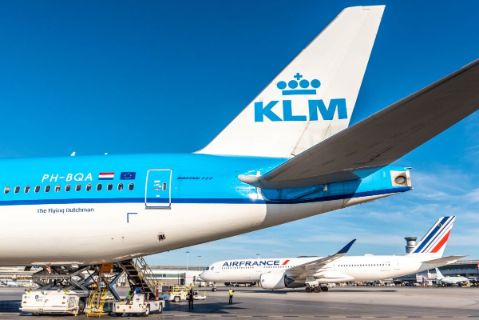 Blog“Building our future”: A Q&A with Stefan Vanovermeir at Air France KLMDiscover Air France - KLM's airline retailing transformation with ONE Order, enhancing customer experiences through flexibility and data-driven personalization.
 -
 Blog5 ways a modern delivery management system transforms the traveler experienceDiscover how modern delivery management systems revolutionize traveler experience with personalization, efficiency, and seamless end-to-end journeys.
 -
 BlogAirline retailing: A guided tour of the future traveler experience with Amadeus NevioDiscover how modern airline retailing is evolving with Amadeus Nevio—delivering personalized, more connected traveler experiences.
 -
 BlogEmpowering Travel Sellers: 3 ways the Amadeus Travel Platform is evolving to drive modern travel retailingDiscover how the Amadeus Travel Platform is transforming modern travel retailing; empowering travel sellers with richer content, smarter retailing strategies, and NDC workflows
 -
 BlogHow is a focus on AI helping Amadeus Cytric transform the business travel experience?As the team arrives at the Business Travel Show Europe, we take a look at how Amadeus Cytric is helping transform the business travel experience.
 -
 BlogPeople before prompts: 5 ways Amadeus is developing a culture that embraces responsible AIHow is Amadeus developing a culture that celebrates the responsible use of AI to transform the future of travel.
 -
 BlogHow Amadeus is helping travel sellers provide more choice and more sustainable options to get to and from the airportAs of April, we have you covered in London Heathrow Airport as Heathrow Express is now live on the Amadeus Transfers platform, becoming the first airport express rail operator to do so. Carrying around 16,000 passengers daily between Heathrow Airport and central London, Heathrow Express is known for its speed and convenience—and this integration is a big step forward in making airport transfers even more accessible.
 -
 BlogHow technology can free hoteliers to deliver one-of-a-kind service in a competitive landscapeAt Amadeus, we are motivated by transforming the end-to-end traveler experience and building an environment that delivers lasting loyalty for our customers. To do this, we are extracting actionable intelligence from data, enabling connected thinking across the travel marketplace, moving towards a more sophisticated way of selling travel, and empowering exceptional customer service with our technology.
 -
 BlogTransforming business through thinking, technology & partnershipsTransforming business through innovative thinking, technology, and partnerships. Discover how top travel companies like Uber and TUI lead the way. Learn more.
 -
 BlogHow will the ‘great simplification’ make travel easier for all?From AI-powered planning to seamless airport experiences with biometric ID, Amadeus is making travel more intuitive, connected, and inspiring.
 -
 BlogAmadeus grows multimodal travel opportunities with new Brightline distribution partnershipAmadeus and Brightline bring rail service options to extensive network of travel sellers.
 -
 BlogThe role of revenue management in modern airline retailingUnderstand how revenue management systems optimize the balance between traveler demand, pricing, and product value based on customer price sensitivity as part of the broader airline retailing transformation.
 -
 BlogAccessible Travel: Making the travel experience better for everyone, everywhereWe're committed to ensuring that everyone, everywhere can search for, book and experience travel safely, comfortably, and with dignity. Find out how in this blog post.
 -
 BlogA Mind-Shift: What does the world of Modern Retailing mean for travel sellers?New report explore likely impacts and opportunities for travel sellers and the wider travel ecosystem as industry moves towards modern retailing.
 -
 BlogTransforming the border experience: Amadeus acquires WCC's HERMES to elevate end-to-end travelAcquisition enables Amadeus to offer a truly end-to-end border and identity management solution, from home to destination, enhancing the overall traveler experience.
 -
 BlogCulture of caring in the workplace: from shared struggles to global network at AmadeusFostering a culture of caring in the workplace isn’t just good for employee wellbeing—it’s essential for building trust, resilience, and a sense of belonging. Learn more.
 -
 BlogAirline Retailing in Action podcast: Evolution of interlining with SkyTeamA conversation with Skyteam on interlining in air travel as the industry shifts to Offer and Order based retailing. Learn more.
 -
 BlogExploring 2025 Travel Trends with the Business Travel AssociationAmadeus Travel Trends 2025 became the focus of a podcast discussion between our industry partner, the Business Travel Association (the BTA) in UK, and Rob Golledge, Head of Research and Industry Analyst Relations at Amadeus.
 -
 BlogThe 3 billion flight search puzzle: How Amadeus is tackling booming search volumes and sustainability at the same timeHow do we tackle the growing appetite for travel without growing our energy needs or sacrificing on speed and accuracy?
 -
 BlogDefining the next phase of transforming travelDiscover how technology transformation is reshaping businesses and how Amadeus is transforming travel. Learn more.
 -
 BlogEmerging Trends in Business Travel for 2025Discover the latest Business Travel Trends for 2025, including AI advancements, biometric gateways, and the rise of regional trips. Learn more.
 -
 BlogConnecting the global travel ecosystem: the role of NexwaveWe have a clear mission here at Amadeus: working to connect the travel ecosystem and building the end-to-end journeys travelers have come to expect. Nexwave, our business incubator and accelerator, plays an important role within that ambition, identifying winning opportunities and taking them from idea to scale.
 -
 BlogHow can an ecosystem approach help us understand and exceed the needs of every traveler?In this closing piece of the series, we need to understand that every traveler is different. Each has distinctive objectives, ambitions and aspirations for a journey and frustrations that come up along the way. Whether traveling alone, with family, or for business, to a familiar destination or an entirely new one, each trip is unique.
 -
 BlogThe hyperconnected traveler: transforming the travel experienceInnovative technology help travel sellers be on the forefront of transformation and adopt a fully traveler-centric approach.
 -
 BlogHow to transform the travel sector by leveraging technology and innovation: a conversation with Skyscanner and AmadeusIn 2007, Skyscanner and Amadeus started working together, the beginning of a collaboration focused on improving the experience for travelers globally. Learn more.
 -
 BlogTransforming travel: tech innovations that make travel work betterDiscover how Amadeus is transforming travel with tech innovations enhancing the travel experience for seamless journeys. Learn more.
 -
 BlogWomen in STEM: How Amadeus is paving a path - from primary school to university and beyondDiscover how Amadeus supports women in STEM fields, fostering innovation and diversity in technology.
 -
 BlogOvercoming travel friction in the hospitality sector with innovative technologyAmadeus’ research project Friction Removed has provided some fascinating insights into the hospitality sector.
 -
 BlogClass of 2025 joins Amadeus Startup UniverseAt Amadeus, we are driven by innovation. We are ever alert to new technologies, solutions and organizations with the potential to improve the travel experience for all. Each year we invite a number of companies to join the Amadeus Startup Universe.
 -
 BlogGive your travel tech a work-outAmadeus has the technology to ensure all agents have the tools necessary to have a healthy 2025 and beyond.
 -
 BlogDriving business transformation with modern airline retailing: Insights from Amadeus Altitude 25Catch up on the key topics discussed during Amadeus Altitude 25, our flagship event for airlines.
 -
 BlogTransforming flight search: Amadeus inventory to be displayed in Google FlightsWe are collaborating with Google to transform the way airlines manage their offers, combining the power of Google Flights and Google Offer Management system (QPX), with Amadeus' innovative technologies, Amadeus MetaConnect and Amadeus Nevio.
 -
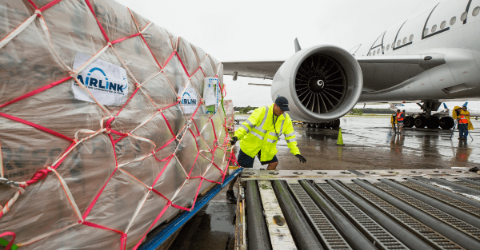 BlogAmadeus and Airlink: Harnessing the power of partnership to meet the growing global demand for humanitarian aid transportAirlink CEO and President, Steven J. Smith, explains their work and how the Amadeus-Airlink partnership makes a difference for operations and the communities in crisis they support.
 -
 BlogHow can technology help tackle business travel friction?Explore frustrations of business travelers through Amadeus research and ways to over come travel friction to build a frictionless travel experience.
 -
 BlogTransforming Hospitality: Technology and the Power of DataExplore how Hospitality leaders are leveraging technology, sustainability, and data to transform the industry. Tune in for insights and future trends. Learn more.
 -
 BlogSustainability: Amadeus' top ten milestones for 2024Discover Amadeus' ten most significant achievements in terms of environmental impact, social progress and governance in 2024
 -
 BlogLGBTQ+ travelers and their allies can build a more inclusive worldDiscover how travel can foster inclusivity, overcome challenges, and build a more accepting world with insights from John Tanzella, President/CEO of the International LGBTQ+ Travel Association (IGLTA).
 -
 BlogHow to help the travel industry innovate with confidence and speed: a conversation with ServiceNowIt’s happened to just about anyone working in a large organisation: a new customer management system comes on the market, a new accounting software, or a new IT system. It’s clear it would serve the organisation’s needs, but just the thought of transitioning existing systems onto something new is enough to turn people off. “It would just take so much time!” you find yourself thinking.
 -
 BlogFrom the Himalayas to the stars: Inspiring stories of social innovation in travelAmadeus has partnered with the Social Entrepreneurship Competition in Tourism to support entrepreneurs in the travel ecosystem. Meet the winners of the 2024 competition.
 -
 BlogHow can innovation help us build the foundations of a better-connected travel ecosystem?Amadeus has a strong track record in innovation. It is a mindset and a way of working.
 -
 BlogHow can Amadeus’ technology help build frictionless travel experiences for all?test-Friction Removed explores how travelers feel about travel frustration and the role technology can play to address the challenges.
 -
 BlogGlobal Impact: our people are the heart of Amadeus volunteer monthDiscover how important volunteering is to us at Amadeus. Check out how we contribute to social and environmental sustainability in this blog.
 -
 BlogThe impact of a hyphen - why normalization is key to scaling NDCDiscover how Amadeus is overcoming NDC adoption challenges with normalization, enhancing airline customer engagement and operational efficiency. Learn more.
 -
 BlogDown to business – what does the latest Travel Technology Investment Trends report say about the future for corporations and business travel agents?Technology such as Amadeus Cytric is allowing corporations to have a more direct role in managing business travel. Where does that leave the business travel agent? Contributing editor Martin Cowen takes a look.
 -
 BlogHow to attract tech talent by fostering a culture of innovationLearn top strategies to attract tech talent with tips on innovation, training, flexibility, and DE&I for a thriving work environment. Discover more.
 -
 BlogNavigating the Future: What did Amadeus’ new research discover about Generative AI in the travel space?Amadeus’ new report on the impact of Generative Artificial Intelligence (Generative AI) on the travel sector.
 -
 BlogHow does technology help drive sustainability goals in the mobility sector?Discover how technology drives ESG goals in the mobility sector, enhancing sustainability with EVs, sustainable fuels, and zero emission mandates. Learn more. https://amadeus.com/en/sustainability/overview
 -
 BlogIf you build it they will come: the five travel trends that will define traveler behaviour in 2025Discover the top 5 Travel Trends of 2025 that will shape traveler behavior. Insights from Amadeus' report that integrates the most recent priority data. Learn more.
 -
 BlogAmadeus Leadership Unveil 2025 Travel Trends at London SummitAmadeus unveils 2025 Travel Trends at London Summit, highlighting technology's role in enhancing travel experiences. Discover the future of travel. Learn more.
 -
 BlogHow can integrated travel protection improve every journey?Discover how Amadeus' integrated travel protection solutions enhance the booking experience with personalized, flexible insurance products. Learn more.
 -
 BlogHow do we build an environment for top technology talent to thrive?Discover what motivates travel tech professionals and how to create a thriving environment for top talent.
 -
 BlogHow will Amadeus’ cloud-native technology and partnership approach transform travel to the benefit of all?At Amadeus we work to transform the travel industry by harnessing the power of technology.
 -
 BlogAmadeus Travel Technology Investment Trends: Where are airlines investing to become modern retailers?Explore how airlines invest to become modern retailers in the Amadeus Travel Technology Investment Trends report with insights from Cyril Tetaz. Learn more.
 -
 BlogThe secret sauce: Six changes that made Amadeus Nexwave a top business incubator in the travel industryDiscover six key changes that transformed Amadeus Nexwave into a leading business incubator in the travel industry. Learn the secrets to their success.
 -
 BlogThe Company Dime Interview with Decius ValmorbidaDecius Valmorbida, Amadeus travel unit president, discusses Amadeus strengths, platform customization, and market strategy in a Company Dime interview.
 -
 BlogIntroducing Navitaire Stratos, a dynamic, intelligent, modern retailing portfolio for low-cost and hybrid carriersToday is a momentous day for all of us as we unveil Navitaire Stratos, our next-generation technology portfolio that allows low-cost carriers (LCCs) and hybrid carriers move to dynamic, intelligent, modern retailing.
 -
 BlogHow AI-based biometric algorithms are reshaping the travel experienceIn the ever-evolving landscape of technology, Artificial Intelligence (AI) stands out as a game-changer and is all around our lives. Learn more.
 -
 BlogAmadeus reinforces net-zero commitment with Science Based Targets initiative validationScience Based Targets initiative (SBTi) has recently validated our greenhouse gas emission reduction targets.
 -
 BlogThe Top 6 Trends Driving the Future of MobilityDiscover the top 6 trends driving the future of mobility, from cost and convenience to eco-friendly options and one-stop-shop apps.
 -
 BlogHow Amadeus helps Air Canada rebook disrupted passengers in just 10 minutesAir Canada works with Amadeus to apply modern technology to disruption management, so customers can be reaccommodated more quickly and effectively
 -
 BlogHow does the work of pioneering computer programmer Ada Lovelace continue to inspire us today?Celebrate Ada Lovelace Day with an inspiring story from an Amadeus data scientist, highlighting women's achievements in STEM and the impact of diversity in technology.
 -
 BlogTravel4Impact 4th edition SMEs welcomeMeet the 41 sustainable SMEs revolutionizing travel and tourism in the 4th edition of Travel4Impact, supported by Amadeus. Discover their impact!
 -
 BlogHow can technology help destination marketing organizations adopt more sustainable practices?As awareness of the environmental and socio-economic impacts of mass tourism grows, the travel and tourism industry are under pressure to adopt more sustainable practices.
 -
BlogHow Amadeus is helping Australia’s travel sellers boost their hotel revenue – and how it could help youHow Amadeus is helping Australia’s travel sellers boost their hotel revenue – and how it could help you
-
 BlogWhy British Airways is partnering with Amadeus on a new revenue management system for the Offer and Order worldThis is a time of tremendous change for our industry – and British Airways is playing its part in the transformation.
 -
 BlogHow biometric technologies ensure personal privacyBiometric technologies provide proof of identity by scanning and measuring an individual's unique physiological or behavioural characteristics.
 -
 BlogDid you know Amadeus processes more than 100,000 transactions per second?At Amadeus, we store 43 petabytes of data, while offering more than 7,000 services to our customers and partners around the world.
 -
 BlogAmadeus Discover build better destination experiencesAmadeus Discover can improve the experience for travelers and help to offer more travel options while visiting a destination.
 -
 BlogAmadeus Travel Tech Talk: Finnair on airline modern retailing transitionA conversation with Finnair on its transition towards modern retailing and how it will benefit the traveler experience
 -
 BlogHow does Amadeus Nevio enable innovation and differentiation through technology excellence?How does Amadeus Nevio enable innovation and differentiation through technology excellence?
 -
 BlogBusiness benefits of biometricsIn this article, we shall consider the business and security benefits that organizations can enjoy, through the adoption of biometrics.
 -
 BlogHow can travel sellers use technology to achieve a more sustainable future?Travel companies are today expected to operate in increasingly more sustainable ways, considering not only how their decisions impact the bottom line, but also how they affect people, the planet, and future generations.
 -
 BlogWhy an ecosystem approach is the key to creating one click travelWhen you shop on Amazon it’s all so easy. Need a new lawnmower? No problem; a quick search provides plenty of choice with clear product attributes and pricing. Payment happens invisibly with a single click.
 -
 BlogRevisiting the trends for 2024 – how are we doing?Last November, Amadeus outlined five travel trends predicted to become mainstream in 2024. Half-way through the year, we thought it would be an idea to see how right (or wrong) we were. Contributing editor Martin Cowen takes a look.
 -
 BlogHow does the Amadeus partner ecosystem help build a better-connected travel industry?Partners play an important role in bringing outside expertise and technology, as well as granting access to difficult-to-obtain resources which provide shortcuts for us to enhance our product competences and innovate beyond our current capabilities. But the Amadeus partner program also has a more ambitious goal.
 -
 BlogA B2B one-stop-shop for trip orchestration: a must in today’s worldHow we are building an unmatched marketplace with Amadeus Travel Platform.
 -
 BlogAmadeus Investor Day 2024: A bright future for our industryAmadeus recently hosted its Investor Day in London. It was an opportunity to outline our medium-term strategy for the company.
 -
 BlogHow is technology driving sustainable change in the hospitality sector?Sustainability is, rightly, high on the agenda across the travel industry, and hospitality is no different.
 -
 BlogHow hyper-personalization is changing the game in travel marketing: A conversation with AdobeSusana Vidal sits down with Jose Garrido, Retail and Travel Lead at Adobe, to delve into what we’ve accomplished together, how it's benefited travelers, and our shared vision for the future of travel.
 -
 BlogHow are airport leaders planning to invest in technology?Airports plan to increase technology investment more than any other area of the travel industry – for an enhanced passenger experience.
 -
 BlogFlights, camera, action – biometrics defining the seamless travel journey through facial recognitionVision-Box CEO reflects on the present and future of the end-to-end travel experience thanks to biometrics
 -
 BlogComponents of biometric systemsIn this article, we consider the processes involved in biometric measurement for verification and authentication.
 -
 BlogCollaboration is the key to progress: What the travel industry can learn from the International Space StationAmadeus technology plays an integral role in facilitating collaboration between all of the different stakeholders in the travel industry.
 -
 BlogHow does Amadeus Nevio enable exceptional traveler experiences, today?We are building and deploying totally new, traveler-centric capabilities that allow airlines to differentiate, compete and optimize revenues and experiences through every interaction.
 -
 BlogHow will assisted programming help Amadeus realize the benefits of Generative Artificial Intelligence?Attention continues to shift toward implementation of GAI. One area of emerging significance is assisted programming, tools designed to help developers write code more efficiently.
 -
 BlogImproved expense experience, collaboration, and sustainability top of corporate travel agendaNew study reveals how new technologies are reshaping many elements of the business travel experience, according to 500 senior decision makers with corporate travel responsibilities.
 -
 BlogBreaking barriers: Amadeus’ commitment to make Cytric Easy universally accessibleWe are continuously working towards WCAG 2.1 AA compliance for Cytric Easy with the aim of creating an inclusive digital experience for all users, regardless of their abilities.
 -
 BlogTechnology investment plans offer insight into LCC growth strategiesLow-Cost Carriers (LCCs) have grown successfully on the back of streamlined operational models that offer low fares, making air travel accessible to more travelers across the world.
 -
 BlogMaximizing a booming travel market: How agents are thinking about the role of technologyNew study reveals the aspirations, pressures, and strategies of 450 travel sellers worldwide focused on technology.
 -
 BlogWhere are airlines placing their digital transformation bets?Amadeus undertook Travel Technology Investment Trends 2024, a major research study with 1,200 technology leaders from across the travel industry, including 100 airline leaders.
 -
 BlogHow can Amadeus’ new technology help airlines reach 2050 sustainability goals?Amadeus recently surveyed senior sustainability decision makers in airlines across nine markets, with findings highlighting the areas of focus across Environment, Social and Governance (ESG).
 -
 BlogAmadeus’ technology leveraged to Operate, Transform, and Innovate across travel industryWe are focused on the future, building the technology our customers need to create better journeys for travelers.
 -
 BlogHow can the right technology help corporations achieve their sustainability goals?Amid an evolving corporate travel landscape, sustainability is no longer just a buzzword – it’s a strategic imperative.
 -
 BlogWe’re focused on a great workplace experience, and it’s being noticedWe're honored to see industry bodies and prestigious publications recognizing our achievements, with Amadeus taking a number of blue-ribbon accolades over the past year.
 -
 BlogWhat is the worth of travel? Amadeus is on a quest to help corporations answer this questionDid you know that companies spend around 10% of their revenue on corporate travel? Many business travelers are now rightfully asking themselves whether they really need to attend meetings in-person.
 -
 BlogHow can Amadeus lead AI and Generative AI innovation in the travel industry while also safeguarding trust?We work to maximize the value of AI and Generative AI for our own teams and those of our partners, while also putting safeguards in place.
 -
 BlogMy journey into cybersecurityUpskilling and reskilling are great ways to increase the number of women entering different tech areas. Read about Virginie's upskilling journey.
 -
 BlogAmadeus Travel Tech talk: A conversation with BCD Travel and Finnair on modern retailing and NDC adoptionWhere do we - as an industry - stand with NDC, its adoption and the transition to modern retailing?
 -
 BlogHelping students to see the worldFlyla is a German startup, offering exclusive flight fares to students.
 -
 BlogHow can we transform travel into a force for good?It’s our collective responsibility to protect and improve the world around us.
 -
 BlogCreating the most personalized trip helped lastminute.com reach a new generation of travelersTravel never sleeps. If the past few years have taught us anything, it’s that nothing remains the same for long. Technologies change, traveller expectations evolve, and trends come
 -
 BlogSustainable aviation fuel – what role does it play in the decarbonization of aviation?The role of Sustainable Aviation Fuel (SAF) in helping airlines to reduce their environmental impact will be pivotal.
 -
 BlogDiscover the travel startups set to make waves in 2024Amadeus is constantly scouting the globe for the most exciting startups working at the intersection of travel and technology.
 -
 BlogHow can Digital Identity create a better travel experience for us all?Digital Identity has the potential to have a significant impact across the travel ecosystem and to enhance travel experiences.
 -
 BlogWhat is biometrics?The need to verify the identities of individual people now extends across all manner of industries.
 -
 BlogHow Amadeus and Imperva aim to enhance cybersecurity across the travel industryThanks to its longstanding partnership with Imperva, a Thales company, Amadeus is launching new innovative Cybersecurity services covering now the entire digital surface attack.
 -
 BlogHow do we craft memories that will last a lifetime? By putting travelers first.Why connection and unique experiences are at the heart of everything that we do.
 -
 BlogHow Amadeus' business agility methods accelerate the pace of innovation for its partners?Technology evolves and traveler demands are always shifting. We must deploy the most effective development methods as we work to remain at the forefront of this fast-paced environment.
 -
 BlogNavitaire, ahead of the crowd, native to the cloud.Helping Digital Pioneers take off.
 -
 BlogHow can technology help airports reach their sustainability objectives?Modernizing technology at the airport can make a substantial contribution to the industry’s sustainability targets.
 -
 BlogHow is Amadeus Nevio making traveler-centric retailing a reality?As airlines accelerate their transition to modern retailing we are already building new capabilities that will help them become truly traveler-centric.
 -
 BlogThe new frontier for loyalty: Engaging with leisure travelersWhat loyalty means in the new world of travel
 -
 BlogHow avianca drives New Distribution Capability adoption alongside AmadeusIn Latin America, avianca was the first to adopt New Distribution Capability (NDC) and today, alongside Amadeus, it continues to drive the transition to modern retailing.
 -
 BlogEvent planning just got easier with Cytric Easy!Event Manager from Cytric Easy by Amadeus is a new tool to help simplify the process, bringing clarity to face-to-face events.
 -
 BlogHow can Amadeus Cytric Easy accelerate NDC cost savings?Among all the technical sophistication, it can be forgotten NDC also has the potential to lower costs for corporate travelers
 -
 BlogMaking travel more meaningful in 2024: Personalization, partnerships and innovationAfter an eventful and turbulent start to this decade in travel, 2023 was the year travel demand regained its stride, and artificial intelligence hit the mainstream.
 -
 BlogFrom Madrid to Manila, Amadeus Volunteer Day helps support local communitiesUnderstand what volunteering means to us through our Amadeus Volunteer Day 2023 activities
 -
 BlogHow can corporate travel buyers stay ahead of growing travel prices?An overview of the CWT GBTA Global Business Travel Forecast 2024 by Paul de Villiers, SVP Global Business Accounts at Amadeus.
 -
 BlogTraining a service dog and other ways to support inclusionThe International Day of Persons with Disabilities is an opportunity to mobilize support for the inclusion of people with disabilities and to raise awareness of the importance of disability allyship.
 -
 BlogHelping you navigate the corporate compliance challengeGuest blog post from our partners Vialto on the main implications and associated risks when managing global mobile talent
 -
.png/jcr:content/renditions/cq5dam.web.480.320.png) BlogSMEs Reimagined: How did independent travel agencies adapt and thrive in the new world of travel?SMEs and independent travel companies have stepped up to the challenge of a new world of travel. SMEs Reimagined traces this journey with a new report.
BlogSMEs Reimagined: How did independent travel agencies adapt and thrive in the new world of travel?SMEs and independent travel companies have stepped up to the challenge of a new world of travel. SMEs Reimagined traces this journey with a new report. -
 BlogACUS reaches milestone as Amadeus accelerates airport technology evolution100+ airports now use our Airport Cloud Use Service for flexible, cost-effective, and sustainable IT infrastructure.
 -
 BlogYou, Amadeus, and AI: Navigating the future of travel at Phocuswright 2023For the last 25 years, industry leaders and visionaries in travel and technology have met at the annual Phocuswright Conference, and this year was no different.
 -
 BlogEnabling innovative travel inspiration with the NDC Offer RepositoryTo reach IATA’s aspirational goal of 100% NDC by 2030, NDC will have optimized upon everything the classic systems are already doing today. But it will also have to satisfy all future traveler needs
 -
 BlogIntroducing Amadeus Nevio. It’s how airline retailing works better.How do airlines become modern retailers and deliver the exciting experiences travelers want?
 -
 BlogAmadeus. It's how travel works better.Amadeus CEO shares company purpose and vision.
 -
 BlogHow can we honor the memory of Ada Lovelace?Ada Lovelace Day is a day that helps us learn about the achievements of women in STEM fields, inspiring others and creating new role models for young and old alike.
 -
 BlogKey Travel harnesses power of Amadeus Hey! to create better travel experiencesGuest blog post from our customer Key Travel on how Amadeus Hey! has helped them create better travel experiences for their customers via its Mobile App
 -
 BlogMicrosoft deploys Cytric by Amadeus for corporate travel bookingsMicrosoft's Global Travel Director shares the benefits employees are seeing now they are using Cytric Easy by Amadeus
 -
 BlogApplication of quantum computing in airline revenue managementQuantum computing is an emerging technology that employs the laws of quantum mechanics to perform computations. What problems can be solved with today’s quantum computers?
 -
 BlogCapturing the power of Generative Artificial Intelligence to enhance the passenger experienceWhat Amadeus is currently undertaking on GAI, looking at the impact it can have on our industry and, most importantly, the traveler.
 -
 BlogTake a sneak peek at the technology shapeshifting the car rental industryHere’s a look at the traveler trends inspiring a shift in mobility, the main challenges ahead, & tech trends that innovative car rental companies should keep in mind as they grow their business.
 -
 BlogPaving the road to dynamic offers with artificial intelligenceThe future lies in new systems suitable for modern retailing, with artificial intelligence (AI) and data science applied as standard.
 -
 BlogHere’s how creating a private resale marketplace can help optimize aviation’s carbon emissionsBuilding a more sustainable travel industry is a journey, one driven by collaboration, innovation and a willingness to encourage change across the whole sector.
 -
 BlogThe NDC scalability challenge at the travel inspiration stage is beatableThe NDC Offer Repository concept, our proposed industry-based solution to address NDC scalability challenges for low-intent-to-book searches, has shown promising results in its first pilot
 -
 Blog5 ways travel sellers can stay ahead of changing traveler expectationsTravel sellers are a vital link between travelers and travel providers, at the front line of the travel industry. Here are five ways travel sellers can stay ahead of changing traveler expectations.
 -
 BlogTechnological innovation driving the passenger experience revolution at global airportsIn this blog Carl Rogers explores the possible future of airports, examining changing technology, and how this will impact the traveler
 -
 BlogCatalysts for Change: 5 innovative ways hoteliers can adapt to today’s travelersOur latest report explores how hoteliers can adapt to changing traveler needs
 -
 BlogTech-driven industry and traveler trends are shaping the future of mobilityMicrosoft's Julie Shainock discusses Amadeus and Microsoft's latest research into the trends shaping mobility
 -
 BlogChanging traveler expectations are transforming hospitalityA new paper explores how adopting a technology ecosystem approach can unlock new opportunities
 -
 BlogThe potential of GPT models for the travel industryA look at where we are at today and the possibilities of GPT models for the travel industry
 -
 BlogBuilding a Travel and Expense PowerhouseEric Friedrichsen, CEO of Emburse shares his thoughts on the strategic partnership of Amadeus and Emburse
 -
 BlogAccelerating modern retailing: Reaping the benefits of NDC adoption - hand in hand with AmadeusThe benefits of New Distribution Capability (NDC) are now starting to crystallize across our industry.<br>Discover Munckhof's story.
 -
 BlogHow accurately predicting network demand can drive airline revenueNetwork planning is a less visible area to passengers but a particularly significant one for driving airline profits
 -
 BlogHow activities made me book one of my most memorable family holidaysWhy travel brands should use destination content to inspire and delight their travelers.
 -
 BlogHow AI will fuel the growth of Extended RealityAmadeus has always been invested and innovative in the world of AI, so naturally one big question on our mind is how AI will fuel the growth of extended reality experiences...
 -
 BlogAmadeus supports opportunities for LGBTQIA+ community in India with opening of Pride CafeOur aim is to reduce social exclusion and promote equal employment opportunities for the local LGBTQIA+ community.
 -
 BlogAccelerating modern retailing: Four ways we're helping travel sellers unlock a new world of retail through NDCHow we have continuously enhanced and evolved Amadeus Selling Platform Connect to help our sellers adopt NDC.
 -
 BlogAmadeus innovates, exploring quantum computing for the travel sectorThough one of the most widely discussed technological frontiers today, quantum computing is still not broadly understood outside of a small number of professional circles.
 -
 BlogA conversation with Microsoft: How will generative AI transform the future of travel?Amadeus and Microsoft discuss all of the questions on generative AI and how it could transform the future of travel
 -
 BlogTranscend: 6 pillars to unleash growth for digital travel playersOTAs and digital travel players growth over the next two decades will be contingent on their ability to adhere to the six pillars of growth
 -
 BlogThe top 9 things corporations should know about NDC in 2023NDC in the corporate travel world
 -
 BlogTraveler Tribes 2033: What mistakes can we avoid when researching the future of travel?In the second blog in the series, the senior researcher from Northstar shares more on the methodology
 -
 BlogDelivering Traveler Value: How contextualization will impact the travel experienceWorking alongside our partners at Microsoft, Amadeus recently launched a new report exploring the changing technological landscape of the travel sector. At the center of Delivering Traveler Value...
 -
 BlogUNWTO and Amadeus: a partnership to foster a more digitized and innovative future for the travel industryDiscover the projects and initiatives we work on together to inspire innovation, digitalization and sustainability
 -
 BlogAccelerating NDC together – and what have DVDs got to do with it?Why NDC matters, what we can all get out of it and what approach we need to take for that to happen.
 -
 BlogAutomation with a human touch: the migration story of Sullivan Turismo EspecializadoSullivan Turismo Especializado, a travel agency in Mexico, that thanks to the solutions de-veloped by Amadeus achieved a 50% increase in productivity.
 -
 BlogWhat does Traveler Tribes 2033 tell us about Asia Pacific?The Traveler Tribes 2033 report is essential reading for any seller or supplier in Asia Pacific looking to understand how travelers from the region will travel in the future.
 -
 BlogDelivering Traveler Value: Understanding context to build a new era of travelOne of the key takeaways from Amadeus and Microsoft’s new report - Delivering Travel Value: Inspiring, understanding and fulfilling expectations throughout the travel experience and beyond - is...
 -
 BlogTraveler Tribes 2033: Meeting traveler expectations for sustainable travelDiscover our research findings on travelers views on sustainable travel for 2033
 -
 BlogCan Europe lead the digital and green transition in travel?Despite liberalization, connections between different travel options and access to content are not straightforward, in part because transport operators have been reluctant to share information widely.
 -
 BlogTraveler Tribes 2033: Looking back on our predictions for the futureWe take a look back at the previous reports and what predictions have come true
 -
 BlogA breakthrough in offer optimization scienceA successful collaboration with the Massachusetts Institute of Technology (MIT) on offer optimization science has resulted in a breakthrough new approach.
 -
 BlogTackling Bleisure Travel Trends at ITB BerlinSome exciting – and sometimes challenging – trends have emerged from the world’s largest trade show for tourism, ITB Berlin.
 -
 BlogThe Travel Innovation Club has some key travel industry’s players dreaming bigWhen travel ecosystem players join forces to work together - find out more about the Travel Innovation Club
 -
 BlogFreedom is for humans - queue management is for robotsHaving robots for colleagues may sound like sci-fi, but have brought increased efficiency for Consolidador.com.
 -
 BlogTraveler Tribes 2033: New research methods bring future into sharper focusThe senior researcher from Northstar takes us through the methodology for Traveler Tribes 2023
 -
 BlogFive reasons airports should be insights-drivenHolger Mattig, Airport and Airlines Operations discuss the benefits of an insights-driven approach at airports
 -
 BlogTraveler Tribes in the Americas: making memories and forging new techAccording to the Traveler Tribes 2033 Americas report, which surveyed 1,508 travelers from the United States and Mexico, , revealed travelers from these areas are largely open to adopt new technology.
 -
 BlogEmbrace equity on International Women’s Day 2023We are on a wider journey toward equity for women all around the world. A long journey remains ahead, but I am proud to seek change here at Amadeus on International Women’s Day 2023.
 -
 BlogFive areas of focus for delivering business travel 2.0What TMCs and corporations need to consider in this new world of business travel
 -
 BlogWhat does Traveler Tribes 2033 research say about the future of Europe's biggest travel markets?With just under six million data points, Traveler Tribes 2033 allows us to compare future traveler attitudes and behaviors in major global markets.
 -
 BlogSustainability moves up in the corporate travel agendaSustainability is top of the agenda for corporations
 -
 BlogDifferentiation through airlines retail transformationHow will the Offer and Order transformation benefit airlines?
 -
 BlogAmadeus unveils the travel technology startups to watch in 2023Introducing some of the newest members of the Amadeus Startup Universe, with the 2023 intake focusing on sustainability, personalization and efficiency
 -
 BlogHow I helped define the vision for the Dapr framework at Amadeus to support developers worldwideIt has been around a year since I joined Amadeus as a software engineer, with a focus on ensuring our developers have the tools they need to succeed.
 -
 BlogTraveler Tribes 2033: Meet the Travel Tech-fluencersA deeper look into our Travel Tech-fluencers (Traveler Tribes 2033)
 -
 BlogTraveler Tribes 2033: Meet the Memory MakersA deeper look into our Memory Makers (Traveler Tribes 2033)
 -
 BlogTraveler Tribes 2033: Meet the Excited ExperientialistsA deeper look into our Excited Experientialists (Traveler Tribes 2033)
 -
 BlogTraveler Tribes 2033: Meet the Pioneering PathfindersA deeper look into our Pioneering Pathfinders (Traveler Tribes 2033)
 -
 BlogTraveler Tribes 2033: Understanding changing expectations to build the journey of tomorrowFind out what makes our research different and discover the four Traveler Tribes of 2033
 -
 BlogHow Amadeus Nexwave is becoming a corporate business incubation leader in the travel industry?Learn about Nexwave, the Amadeus Business Incubator
 -
 BlogSupporting communities and destinations worldwide: our positive impact in 2022Summary of Amadeus' social impact initiatives in 2022
 -
 BlogFinancial decision makers gain fresh insight with end-to-end travel and expense solutionsThe final in the series of blogs looking at Amadeus and Forester Consulting's study on digital transformation in T&E
 -
 BlogWhy ‘the whole is greater than the sum of its parts’ in aviation todayHow the power of synergies is key today’s aviation industry and contributing to a better traveler experience.
 -
 BlogAmadeus Live Travel Community grows to reach global audienceThe Amadeus Live Travel Community explained
 -
 BlogWhy Lufthansa City Center International continues to choose Amadeus technology to power its bright futureLufthansa City Center International and Amadeus contract renewal
 -
 BlogHow is Amadeus integrating Artificial Intelligence with human knowledge to get the best of both worlds?In 2006, the British mathematician Clive Humby coined the famous sentence “Data is the new Oil”. But data alone is a jumble of numbers.
 -
 BlogTransforming employee experience focusing on collaboration and social capitalHow travel and expense will change in the coming years and what this means from an employee perspective
 -
.png/jcr:content/renditions/cq5dam.web.480.320.png) BlogWhat is the metaverse and how will it change the future of travelWe look at the metaverse and what it means for the future of the travel industry
BlogWhat is the metaverse and how will it change the future of travelWe look at the metaverse and what it means for the future of the travel industry -
 BlogThree ways we’re supporting our airport and airline customers to succeedHow a forward-thinking mindset, challenging status quo and advanced technology helped us help our customers in difficult times.
 -
 BlogTravel fintech trends to watch in 2023Check out the travel fintech trends we think will shape the industry in 2023 and beyond
 -
 BlogHow Amadeus will surf the tides of change in 2023A look back at some of our successes in distribution over 2022
 -
 BlogDigital transformation of travel and expense a priority for corporate leaders in 2023We explore the results of the Forrester Consulting study around digital transformation in travel and expense
 -
 BlogTravel tech talent is one core power of the Amadeus Heroes. Are you ready for your next tech mission?Amadeus Heroes have the power to design the future of travel, pursuing a critical mission with extraordinary purpose, contributing to the availability and sustainability of worldwide travel, every day
 -
 BlogAmadeus Digital Accessibility Forum returns to advance inclusive travel technologyRead about the Amadues Digital Accessibility Forum, designed to raise awareness around digital equality.
 -
 BlogHow Amadeus people are giving back through volunteering in local communities around the worldDiscover what Amadeus Volunteer Day means to us, check out our 2022 activities
 -
 BlogHow Microsoft and Amadeus brought mission-critical systems to the CloudThe history of a groundbreaking partnership that is paving the way for the next wave of innovation in travel.
 -
 BlogWorking with the World Economic Forum to build sustainable destinationsAn overview of 'Ten Principles for Sustainable Destinations': In this report, we list ten clearly defined suggestions around how tourism can be a force for positive change.
 -
 BlogAmadeus Custom Search offers powerful new capabilities to digital travel playersTaking advantage of two decades of research, we are adding the capabilities of Amadeus Custom Search to our Flight Search portfolio, thereby putting its advanced Search capabilities in the hands of...
 -
 BlogEnabling the traveler experience at the heart of the transformationAs Amadeus and our airline partners transition to a new era of opportunity, data-driven organizations will be best placed to acquire, convert, assist and retain the traveler.
 -
 BlogWhat every 80s child imagined the future would be like...or notTravel Trends in 2023 and beyond holds a future better than hoverboards and the Jetsons
 -
 BlogTransforming the travel spend management processThe economic case for end-to-end digital spend management in business travel
 -
 BlogHow companies can benefit from the 'Hybrid Work Paradox'Why hybrid working is here to stay and what it means
 -
 BlogIt’s better to be roughly right than precisely wrongThe approach behind scenario planning
 -
.jpeg/jcr:content/renditions/cq5dam.web.480.320.jpeg) BlogConnecting the dots and delivering on multimodalityAngel Gallego gives his view on why greater collaboration is needed if we are to deliver on multimodality
BlogConnecting the dots and delivering on multimodalityAngel Gallego gives his view on why greater collaboration is needed if we are to deliver on multimodality -
 BlogPlanning a fall getaway? Top travel apps can make your trip a breezeWhether you’re a planner or more a “go-with-the-flow” type, travel apps can help ensure smooth sailing for any trip
 -
 BlogBuilding an inclusive workplace that would make Ada Lovelace proudAs we celebrate Ada Lovelace Day, highlighting the achievements of women in STEM subjects, we have a chance to explore the tools that we can use to build a more inclusive workplace.
 -
 BlogFuture proofing for a renewed world of travelThe third and final exploration of the travel industry of tomorrow
 -
 BlogPreparing for the future: Traveling in the world of tomorrowThe second in our series of blogs exploring possible scenarios for our global future
 -
 BlogOpening a new chapter for the airline industryAirlines are entering a new era of opportunity, a dynamic technology-driven transformation based around partnerships, ecosystems and platforms. Discover what we have discussed at Altitude 22.
 -
 BlogHow non-IATA agents can power up their business with NDC using TIDS & GoLiteDespite the difficult situation our industry is navigating, our partners in the travel industry remain engaged and committed to make NDC a reality.
 -
 BlogTravel4Impact: working together to support travel and tourism SMEsAmadeus and IE Foundation aim to support tourism SMEs to work hand in hand with us as well as external collaborators to promote travel through sustainability, digitalization, and community building
 -
 BlogAvianca transforms customer acquisition by partnering with Amadeus for SEO servicesHow Avianca developed an ambitious digital acquisition strategy focused on search engine optimization
 -
 BlogHave you met the godmother of cruise?We sat down with Amadeus cruise expert Cathy Jensen to talk about the renewal of the industry and how Amadeus is positioning agents to be the best resource for eager cruisers.
 -
 BlogHow Amadeus and Adobe are helping airlines automate unique customer experiences across all digital touchpointsAmadeus and Adobe are making new strides in their partnership by integrating the Amadeus Airline Platform with Adobe Experience Platform.
 -
 BlogThree reasons to set sail with Amadeus Cruise PortalCruise ships are booking hard and fast in 2022, with many cruise lines saying that this buying trend is just the beginning.
 -
 BlogFour benefits an NDC Offer Repository will bring to digital travel retailersAs we work with IATA to unveil plans for an NDC offer repository, let’s recap how we arrived where we are today. EDIFACT and ATPCO standards have served the airline industry well over the years...
 -
 BlogHow U-Tapao Rayong-Pattaya Airport scaled operations in response to fluctuating demand during COVID-19With ACUS technology, the airport efficiently managed the sudden influx of passengers, improving customer experience
 -
 BlogAmadeus joins the Green Software Foundation to develop green coding practicesFrom collaboration and knowledge sharing to developing sustainable coding practices, discover what joining the Green Software Foundation means for Amadeus.
 -
 BlogJoin our startup community to create tomorrow’s travel experienceWe have always encouraged innovation in the travel space to meet the needs of an ever-discerning passenger - visit Amadeus’ Startup Universe to find the most fulfilling solutions for our industry.
 -
 BlogHow organizations can improve the experience for business travelers with NDCIn a new age of travel retailing, Cytric by Amadeus delivers a smooth booking and servicing experience for corporate travelers with NDC-enabled content
 -
 BlogWhy now is the time to promote an inclusive and sustainable travel industryThrough our Powering Good with Partners program, we want to help in connecting the different players of the tourism ecosystem to co-generate initiatives that increase our positive impact on society
 -
 BlogIntroducing the NDC Offer Repository – A solution to the NDC scalability challengeThere are some very specific challenges related to how airlines and digital travel retailers deal with travelers who are still at the inspiration stage of their journey, looking at city pair...
 -
 BlogComing to an airport near you! How the IoT and digital twins could transform operationsThis blog post looks at the emerging technologies that our industry is now beginning to explore
 -
 BlogHow the science behind revenue management is helping Alaska Airlines drive transformation in challenging timesRevenue management is critical to airlines because it allows them to better anticipate and deliver on customer demand to maximize revenues and yields.
 -
 BlogAmadeus takes Pride in supporting the LGBTQ+ travelerAmadeus stands with LGBTQ+ travelers as we adapt our products to support Gender X and celebrate diversity in our workplace
 -
 BlogPreparing for the future, todayWhile we can never know what tomorrow will look like, scenario planning offers a chance to explore the possibilities. We examine potential paths for the future and how they could impact travel
 -
 BlogTravel buyers demand more effective tools to reach green targetsSustainability continues to climb the agenda for travel buyers around the world. Today, we look into this topic with the launch of a report from WBR Insights
 -
 BlogAmadeus keeps international travel moving by partnering with six COVID-19 testing providersAmadeus is collaborating with six COVID-19 test providers worldwide to facilitate ongoing international travel.
 -
 BlogAmadeus hackathon invites students to focus on sustainability in travelAmadeus' global hackathon will invite 600 university students from around the world to innovate and develop applications that can contribute to a more sustainable travel experience.
 -
 BlogWhy travel agency mid- and back-office systems are key to mass adoption of NDCIf you’ve booked a flight lately through your usual travel agency, you might have noticed new flight offers and services were being offered.
 -
 BlogGreen is the New Blue: working toward more sustainable communitiesLearn more about Amadeus' partnership with Plastic Bank as part of the Green is the New Blue corporate social responsibility initiative
 -
 BlogAviata adopts Amadeus technology to offer flexibility and convenience for travelersAviata.kz became the first online travel agency in Eastern Europe and CIS to launch the Amadeus Ticket Changer (ATC) technology with a full cycle of post-sales service for airline tickets online.
 -
 BlogWhat’s on leisure travelers’ minds for 2022? Five trends from our dataAs travelers return to the roads and skies, what is top of mind for them? Here are 5 key trends that could shape the leisure space this year.
 -
 BlogWhen we travel matters: navigating hybrid work and corporate travelWe’re now seeing leaders approach business travel as a strategy and expanding corporate travel opportunities to improve employee mobility and retention and build culture across the organization.
 -
 BlogLet robotics do the dirty workThe idea of robots – automated computer-powered humanoids - has a hold in contemporary culture, from the boxy things in cult sci-fi movies of the 1950s to charming C-3PO in Star Wars and the....
 -
 BlogNDC and corporations: demystifying six common mythsLast year marked a significant milestone in the industry’s New Distribution Capability (NDC) journey – it was the year that NDC really took off and began to scale up
 -
 BlogThree innovative ways that technology is accelerating NDC adoption for the travel industryFor years now, the travel industry has been talking about how NDC would transform digital retailing, but what does innovation in digital retailing even look like for the travel industry?
 -
 BlogMyth-busting: the truth about Amadeus Value HotelsAmadeus Value Hotels: accommodation content that is sourced by Amadeus and, best of all, priced by you, the travel sellers.
 -
 BlogThe new reality of business travel connectionsHighlights from IGNITE 22
 -
 BlogHow moving to the cloud made Innsbruck Airport more agile and resilientInnsbruck Airport's Michael Herrmann, Director Airport Operations and Head of IT looks at the benefits of running on the cloud.
 -
 BlogFostering collaboration and the use of data to personalize the travelers’ experienceImagine a future where you have full view of a traveler's itinerary.
 -
 BlogHow our Lufthansa teams on the ground overcame disruption challenges caused by COVID19 with Amadeus technologyAmadeus’ modern cloud-based passenger processing technology has become a cornerstone of our operations.
 -
 BlogNDC is live in the U.S.: what you need to knowU.S.-based travel sellers are now starting their journeys to learning and experiencing how NDC-enabled content can help change their business.
 -
 BlogWhy I’m excited about the traveler journey of the futureIn this blog, Decius Valmorbida breaks down the traveler journey into its different phases and explains why he believes transformation is possible across the entire trip.
 -
 BlogElevating to the next level: A look back at 2021 achievements in air distributionWe have seen that technology, innovation and collaboration are the most powerful drivers of recovery - all of these elements are deeply rooted in our distribution strategy for airlines.
 -
 BlogLuxair’s recipe for success to improve the online shopping experience for customersDifferentiating airline offers has become crucial in demand generation. That means carriers need to meet online passengers’ expectations right from the inspiration stage. Read this post for more.
 -
 BlogAmadeus Loyalty wins the Couchbase Community Award under the Cloud Computing CategoryTechnology has helped to shape and evolve everything we know, the travel industry especially. For more than 30 years we have been at the forefront of travel technology, helping our partners and....
 -
 BlogDiversity and inclusion continue to be key priorities for successThe case for D&I has always been clear. Not only is building a diverse and inclusive workplace the right thing to do, but it is a business imperative too.
 -
 BlogSolving the complexities that come with hybrid workingGuest blog post from PwC discussing the complexities that come with hybrid working
 -
 BlogPearls of wisdom: How LCCI has made it 30 years in the travel industryAmadeus and Lufthansa City Center International (LCCI) celebrate 30 years of working together
 -
 BlogTransition to NDC won't happen overnight; but through continuous incrementsAny change is an ongoing process, especially if it involves a new mindset and new ways of working, and the same is true for NDC.
 -
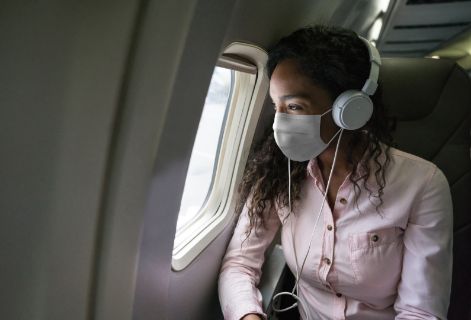 BlogTraveler ID: How contactless technology has already simplified the journeys of 3 million travelersIn less than one year, the solution has been used by over 3 million passengers across 20 airlines that have signed up for Amadeus' identification solution.
 -
 BlogMalaysia Airlines’ journey towards everyday loyalty engagementMalaysia Airlines embarked on a journey to digitally transform its loyalty and rewards program with Amadeus. Find out more here.
 -
 BlogHow TMCs are strategizing their way out of the pandemic’s biggest challengesIt’s been almost two years since the start of COVID-19. Throughout the pandemic, business travel has been a hotly discussed and debated topic, with varying opinions on recovery depending on who you...
 -
 BlogThe corporate travel ecosystem 4.0The digital transformation of travel, payment and expense
 -
 BlogJourney to Cloud Planet: Amadeus and MicrosoftThe move to Microsoft Azure is the greatest technology transformation in the history of Amadeus. We are entering a new dimension that will unlock exciting opportunities for the travel industry.
 -
 BlogSafe Travel was just the start: IBM and Amadeus partner to rebuild travelIn an environment where evolving travel requirements give rise to new customer expectations & demands, strong industry connections & partnerships will give us the necessary agility to rebuild travel
 -
 BlogTechnology will be the key to rebuilding business travelers confidenceWe take a deep dive into the latest Censuswide survey stats, looking at what business travelers really want
 -
 BlogHow SAS gained 30% forecast accuracy thanks to innovative revenue management toolsAs airlines address dramatic changes in passenger demand and scheduling, an adaptable Revenue Management System (RMS) and forecasting tool is essential for effective business recovery.
 -
 BlogNine concrete ways that NDC is adding value to travel sellers’ lives today, beyond access to exclusive faresWhat lies beyond the commonly known benefits of NDC? Some of these benefits are more obvious than others, but all of them are relevant to travel agencies of all shapes and sizes.
 -
 BlogSix trends that will shake up the travel space in 2022Amadeus' annual travel trends are here - six trends that will shape the future of the market
 -
 BlogReady, set, innovate: The anatomy of a pitchWhether you’re a seasoned entrepreneur or fresh out of school, here are some tips on how to give a successful pitch and make the most of any opportunity that comes your way.
 -
 Blog10 things business travelers wantAmadeus’ latest survey of business travelers sheds light on how the industry can rebuild business travel
 -
 BlogIt should be easier to book rail tickets across Europe – we’re on the caseit’s surprisingly difficult for travel agents to sell pan-European rail tickets. It should be simple, but it’s not, because each country has their own way of doing things. There are no common...
 -
 BlogExpedia Group customers hit the road with car content from AmadeusAs summer leisure travel leads recovery, particularly in the U.S., road trips are driving domestic travel forward.
 -
 BlogTravel expense reporting has never been so easy to manage with the new Cytric Expense Automate Claim featurePilot customer Robin Veit, IT Personnel Officer at EnBW, reports enthusiastic employees as well as cost and time savings due to the simple receipt entry, which also avoids errors and frustration.
 -
 BlogWith Korean Air’s digital transformation, online bookings take flightRead how Korean Air transformed its digital experience for travelers and improved its bottom line in this guest blog post.
 -
 BlogWhat do travelers think about biometric facial recognition technology?Especially in the travel industry, touchless tech has been in high demand to facilitate the passenger experience and has become even more relevant in the wake of COVID-19.
 -
 BlogMalaysia Airlines’ innovation-led strategy contributed to an increase in direct operating margins early 2021It’s critical for any airline in this every changing environment to have the ability to prepare for business scenarios and implement strategies quickly while accelerating its digital strategy.
 -
 Blog“Alexa, I want to book a vacation”...The success of the Alexa integration came at a pivotal time when the role of technology and travel advisors were critical to rebuilding travel.
 -
 BlogNDC is here and ready to go. Things are about to get a lot more interesting.With NDC connections on the rise, the travel industry can get a lot more creative in the digital retail space.
 -
 BlogTogether with Amadeus, Kenya Airways is making NDC a reality in AfricaSome regions of the world have been faster out of the starting blocks to adopt the benefits of IATA’s New Distribution Capability (NDC) than others.
 -
 BlogAPAC: A dynamic growth region for NDCNDC - the future of travel retailing - is truly here, and now with various airlines, over 2,000 agents and corporations connected through Amadeus to it to prove it. Despite the pandemic’s impact on...
 -
 BlogEnd-to-end: the next generation of travel servicesDecius Valmorbida, President of Travel, describes a fundamental change that will power great journeys
 -
 BlogAmadeus rolls out new Partner Network as it looks to rebuild travelIn today's environment where new requirements are giving rise to new customer expectations and demands, Amadeus believes that strong industry connections and partnerships will give it the necessary...
 -
 BlogAs the pandemic affects travel, Cambodia Airports takes to the cloudHervé Bonin, General Manager, Phnom Penh International Airport, discusses the journey to the cloud with Amadeus.
 -
 BlogFive ways biometrics are improving the passenger experienceWith a growing number of airports starting to deploy biometric solutions, many travelers are already starting to see benefits.
 -
 BlogWhat differentiates a business traveler from a leisure traveler? Use of health data, brands and travel tech.Digital health passports can be a vital tool in opening up travel for business and leisure
 -
 BlogEmbracing NDC as a corporation to drive better experiences for business travelersNDC is a feature-rich way for airlines to share their product offering in their indirect distribution channels with more efficiency, flexibility and more relevant information for the traveler.
 -
 BlogThe age of NDC at scale has arrivedAmadeus is making NDC-enabled content available around the world in 2021.
 -
 BlogFacilitating NDC adoption at scaleHow delegation flow, structured data and search options can enhance and help pick up the pace of NDC adoption.
 -
 BlogFive things you need to know about ONE OrderONE Order is potential gamechanger for the aviation industry and is closely linked to NDC. Here's what you need to know about it.
 -
 BlogHow airlines are powering up their network planning for new demandAirlines with the right technology and tools can make decisions and make changes in order to increase profitability and operational success and work toward rebuilding the industry.
 -
 BlogHow virtual payments are helping the industry during COVID-19At AirPlus we’ve been helping the travel industry facilitate payments for more than 30 years and we’ve worked closely with Amadeus in various ways during that time.
 -
 BlogEgencia: Preparing for the new world of business travel with content and technologyAlthough vaccination distribution is on the cards for most countries, businesses have fundamentally changed in response to COVID-19, and the needs of their travelers are shifting. Corporate travel...
 -
 BlogHow digital transformation can create a customer-first cultureKeeping pace with industry changes and customer needs means thinking differently and redefining what a customer-first agency should look like today and in the future.
 -
 BlogBecoming the airline of the future with NDCBefore the pandemic hit, NDC was the biggest buzzword in the travel industry. The NDC Leaderboard Airlines goal was to have 20% of their indirect sales powered by an NDC API by 2020
 -
 BlogSingapore Airlines, Scoot, Amadeus, and Navitaire: How NDC and ONE Order simplify partnership modelsAcross most of 2020, Amadeus’ priority has been to help our customers deal with the ongoing disruptions.
 -
 BlogAdopting NDC today means you become the travel agency of tomorrowStill not convinced of NDC? Find out how NDC can open a whole new world of opportunities
 -
 BlogAmadeus accelerates touchless travel at check-in and flight compensation with BAGTAG and iCouponEven before COVID-19, touchless travel was in high demand; waiting in line to check in baggage is no-one’s idea of a good time.
 -
 BlogAmadeus’ Startup Universe: 14 travel tech startups to watch in 2021As we work to build the industry back better, a key part of Amadeus’ strategy is partnering with startups.
 -
 BlogIt’s Not Just a Room – The Benefits of Attribute-Based Selling in HotelsIt’s Not Just a Room – The Benefits of Attribute-Based Selling in Hotels
 -
 BlogDigital transformation to enhance expense management in 2021Innovating for smarter expense management during COVID-19 and beyond
 -
 BlogLessons learned from the most disruptive year in travelHow did Amadeus recalibrate and adapt its business to unprecedented times? Here's a round-up of our key business takeaways and lessons learned.
 -
 BlogHow travel agencies can specialize to differentiateIt’s time that agencies play to their strengths while thinking in parallel on how they can stand out
 -
 Blog6 trends for 2021: Travel’s comeback storyPredicting the future is impossible but imagining a way forward is critical.
 -
 BlogFour priorities for business travel agencies looking to accelerate recovery and build long-term growth“When will business travel recover?” It’s a question on everyone’s mind and one that I’m asked on a near daily basis. And for good reason. The past year has been a virtual “ground stop” for...
 -
 BlogWhat needs to be done for tourism to recoverTourism has been hit hard – maybe hardest of all – by the COVID-19 pandemic. At UNWTO, we anticipate that total international tourist arrivals for 2020 will be around 70% lower than they were in 2019.
 -
 BlogSCA in travel payments part 3: what happens when the booking includes products from multiple travel suppliers?Practical advice for travel agents on how to handle booking with multiple providers when processing payments
 -
 BlogRethinking the marketing playbook: 5 strategies to reach today’s travelerNot all marketing strategies need a big budget. Here are five ways to rethink your marketing and reach today’s travelers.
 -
 BlogSCA in travel payments part two: what happens when the travel agent processes the payment?Practical SCA advice on how travel agents process travel payments as the merchant of record.
 -
 BlogBritish Airways and Vueling take innovative passenger-centric approach to disruptionAmadeus and Navitaire teamed up with British Airways and Vueling to make interlining simple and streamlined – even during disruption.
 -
 BlogStrong Customer Authentication in travel payments part one: how to prepare for the ‘pass-through' scenarioPractical SCA advice for travel agents on how to apply the pass through model when processing payments
 -
 BlogHow finance and procurement teams can rethink T&E to increase efficiencies and complianceNew research from Forrester shows how digital transformation of T&E can achieve cost efficiencies and business objectives.
 -
 Blog10 things you need to know about NDC [X]10 things you need to know about how Amadeus is driving NDC forward.
 -
 BlogHow is your hotel addressing hygiene and cleanliness?Hotels face an enormous responsibility to mitigate the spread of COVID-19 as demand returns, placing increased pressure on properties to respond despite limited staff and budget.
 -
 BlogTo travel or not to travel?To travel or not to travel? Undoubtedly that is THE question millions of leisure travelers around the world are asking themselves as they spend hours thumbing through their Instagram and other....
 -
 BlogCompetitor awareness – the future of airline revenue management systemsAmadeus research teams have figured out how to put together the building blocks of a competitor-aware revenue management system for airlines.
 -
 BlogThe omnichannel vision for a new world of travelJorge Elliott, EVP of Travel Content Sourcing, comments on building an omnichannel experience
 -
 BlogAmanda the chatbot has some new tricks up her sleevesAmanda the chatbot will be chatting in German, Simplified Chinese and Traditional Chinese
 -
 BlogHow smart loyalty programs can create tailwinds for airline recoveryAn array of tools can help companies navigate through challenging times. For airlines, a smart loyalty program can be one of them.
 -
 BlogMultimodality: A roadmap for the recovery of travel & tourismThe European transport and tourism sector is placing its hopes upon multimodality
 -
 BlogTouchless travel: What will my next journey look like?Traveler preferences are already changing due to COVID-19. Learn about the touchless technologies we see in the near future for the travel industry.
 -
 BlogAirline network planning: a new normal or business as usual?As airlines plan for recovery and start flying again, managing airline schedules has never been more dynamic.
 -
 BlogRethinking airline revenue management forecasting in times of changeAmadeus’ Chief Scientist, Thomas Fiig, details a new airline revenue forecast method developed in response to the pandemic.
 -
 BlogNorwegian airports take the lead on touchless travel with Amadeus technologyContactless check-in and bagdrop application from Amadeus make it both safer and easier to fly from Avinor airports.
 -
 BlogThe big reset: four phases to airline revenue management strategy planningHow do you optimize revenues when your historical data is no longer reliable for forecasting, travel demand is low, the economy is suffering, and countries are imposing different health measures?
 -
 BlogKenya Airways answers customer questions instantly with a customized chatbot during these uncertain timesTo address a dramatic increase in call volumes, Kenya Airways engaged its long-standing partner, Amadeus, to implement a chatbot on the kenya.com homepage
 -
 BlogArtificial Intelligence in the Travel IndustryLearn how Amadeus AI is transforming the future of travel with three traveler-centric pillars for artificial intelligence in the travel industry.
 -
 BlogHave you ever wondered what happens behind the scenes when you search for a flight?"This is your captain speaking. Please fasten your seatbelts for take-off." To many, this phrase brings joy.
 -
 BlogFlying high with hackathons: How we’re helping airlines accelerate innovation and bring it to marketAmadeus has held several hackathons around the world and each one has brought forth exciting innovations as well as some concrete deliveries for airlines.
 -
 BlogCelebrating one year of running fully on open systemsAbout one year ago, towards the end of 2018, Amadeus completed one of the most challenging technical endeavours our team has ever tackled: we decommissioned all mainframes...
 -
 BlogFive technology trends to shape the airport of the futureAirports are the backbone of the travel industry. They are a gateway to the world, handling millions of passengers around the globe each day. But airports are not immune to disruption...
 -
 BlogNew artificial intelligence weather forecast tool boosts efficiency and traveler satisfactionThere is now a way to better anticipate weather conditions by melding artificial intelligence (AI) and the Internet of Things (IoT) in a handy app.
 -
 BlogHow artificial intelligence is transforming revenue management for airlinesAt Amadeus, we’re heavily invested in AI and machine learning (ML) in many of our solutions, including revenue management (RM).
 -
 BlogAmadeus is back to the future in RussiaThe 2nd Amadeus Partners Event was held in Russia, an extensive market with an appetite for innovation. It is also one of the top spenders in the world by international tourism expenditure.
 -
 BlogA closer look at the benefits and challenges of ancillariesAncillary offerings create huge revenue generation opportunities for today’s travel providers.
 -
 BlogWhat is the Amadeus Airline Platform?We are now living in the era of the platform economy and Amadeus is right there alongside our airline partners as this journey unfolds.
 -
 BlogSkyscanner: Joining forces to improve the experience and convert lookers to buyersWe've come a long way from the days of being kept on hold on the phone while our travel agent worked out the best flight deals for our multi-city itinerary. The Internet and online travel sites have g
 -
 BlogPyton Leisure Portal becomes Amadeus Leisure PlatformOn October 1, we relaunched Pyton Leisure Portal
 -
 BlogAs IT provider & distributor, Amadeus now holds dual Level 4 NDC certifications from IATAAmadeus has now also received the Level 4 NDC Certification as a aggregator from the International Air Transport Association (IATA)
 -
 BlogAmadeus takes a new step in its long-term commitment against climate changeAmadeus' data center will use 100% renewable energy.
 -
 BlogSeven breakthroughs in flight scheduling that every airline should know aboutWe've identified seven breakthroughs that could provide huge opportunities for airlines to improve the quality of their schedules and most importantly – improve the customer experience.
 -
 BlogThailand towards 2030: It’s time to get smart when it comes to tourismThailand is in a strong position to continue growing its tourism industry in the coming decade, but it needs smarter travel infrastructure to cope with rising demand.
 -
 BlogAmadeus Learning Universe: study at your own paceToday’s travel professional is looking for opportunities to learn anywhere: at the office, at home or on the go.
 -
 BlogA deep dive on how airlines can use personalization to win the next generation of travelersJane is a consultant and frequent traveler. She’s loyal to an airline that generally rewards her loyalty with drink coupons and upgraded seats.
 -
 BlogDispelling the myths surrounding NDC paymentsUnsure how payments work with NDC? Amadeus debunks the top 5 myths surrounding NDC payments
 -
 BlogWhat is duty of care and travel risk management?Everything you need to know about duty of care, travel risk management….and the snail in the bottle that started it all...
 -
 BlogHow ground handlers are using technologies to address modern challengesModern IT systems are helping ground handlers address new challenges while removing the constraints imposed by legacy IT systems
 -
 BlogMeet Amanda, the Amadeus chatbot that has everyone talkingAmanda, our travel agency chatbot, is a busy customer service agent, and she´s quickly becoming popular.
 -
 BlogThe new airline platform for a new way of workingContributing blog editor Martin Cowen offers his take on the new Amadeus Airline Platform.
 -
 BlogConverting abandoned bookings and understanding online trends is crucial to grow airlines’ businessThe online user journey for airlines and the travel industry can be one of the most complicated in any business. The challenge? How to meet customer expectations while guiding them...
 -
 BlogThe five things you need to know about the Amadeus Travel PlatformAt Amadeus, we see the future of travel distribution around the whole travel itinerary.
 -
 BlogThere’s no doubt Amadeus Altéa benefits airlines. But did you know there are benefits for travel agencies?Successful businesses put their customers at the heart of everything they do. And for that they need the right tools.
 -
 BlogWhere airline scheduling is going: 'Clean sheet' optimizationOne of the seven exciting developments in airline scheduling that we identified in our whitepaper, Breakthroughs in Airline Scheduling: Building Better Schedules, is 'clean sheet' scheduling.
 -
 BlogContent fragmentation: the most pressing issue in travel distribution todayWhilst the complex myriad of possibilities provides a huge opportunity for travel providers and sellers it is also creating one of the most important issues
 -
 BlogTop tech trends ready to disrupt the hotel industryWe spoke to a number of industry leaders to understand which technology trends they think will have a significant impact on the hotel industry.
 -
 BlogNDC: a new dawn for the travel industry unfoldsA look at what NDC has taught us as an industry, and what we're achieving with our NDC [X] program
 -
 BlogWhy attribute-based booking can help hotels get more direct bookingsIn simple terms, ABB allows guest to personalize their hotel stay by giving them a menu of attributes to select and book according to their preferences.
 -
 BlogHackathon brings airlines together to innovate with the Amadeus Digital Experience SuiteThe Amadeus Airlines Hackathon, held in Singapore, brought our airline customers together to share and learn modern retailing ideas from each other.
 -
 BlogHow one customer made the switch from Sabre to AmadeusAccording to Amadeus’ new whitepaper, “Get ready for Destination X,” today’s travel sellers have a golden opportunity to tap into destination services, a growing marketplace set to reach $183 billion.
 -
 BlogAgoda partnership brings travel agents even more great hotel contentEmpowering our travel agency partners with more options to personalize trips is a big part of what Amadeus is all about. And our newly inked deal with Agoda, one of the world’s fastest growing...
 -
 BlogComing soon: NDC content in Amadeus Selling Platform ConnectNDC has the potential to deliver new benefits for all travel players, including travel sellers, airlines and travelers thanks to richer offers and information.
 -
 BlogAmadeus and Google Cloud: transforming travel technology platforms togetherWe live in a time of great change, a time of transformation. Technology is no longer used to simply make things faster, cheaper and more reliable.
 -
 BlogExploring the airline industry’s great unsolved problem: airline schedulingA new whitepaper, commissioned by Amadeus and Optym, identifies seven developments in modern scheduling solutions that empower airlines to maximize profitability and operational feasibility.
 -
 BlogMeet Mira Borukhin: Q & A with the president and CEO of Downtown TravelNorth American business travel spend hit $391 billion last year, and the business travel sector is expected to continue its upward climb in 2020.
 -
 BlogHow Amadeus and ICM Airport Technics will transform the airport passenger experienceAmadeus has agreed to acquire ICM Airport Technics, a global leader in passenger automation and self-service bag drop solutions for airports and airlines.
 -
 BlogHow digital can drive cost and efficiency benefits for airportsWhat is the role that digital can play to help airports reduce their total cost of operations and improve the efficiency of core processes?
 -
 BlogWizz Air first low-cost airline to use Amadeus’ payment platform via Navitaire New SkiesBy integrating our payment platform with Navitaire New Skies, the passenger services system used by Wizz Air, we were able to connect the low-cost airline directly to Wirecard.
 -
 BlogSingapore Airlines takes retailing to new heights with next-gen NDC techSingapore Airlines takes retailing to new heights with integration of Amadeus Altéa NDC and Amadeus Anytime Merchandising.
 -
 BlogThe 8 travel trends you need to know for 2019As we continue to shape the future of travel in the long term, we’ve identified eight trends we’re looking at for 2019.
 -
 BlogFive airline success stories to check out nowDuring 2018, we worked with several airlines to create case studies that highlight our mutual success.
 -
 BlogHow Singapore Airlines is evolving revenue management together with AmadeusRevenue management systems play a key role in helping airlines maximize seat revenue. Singapore Airlines chose the next-generation Amadeus Origin & Destination solution.
 -
 BlogHow to cross-sell ancillary servicesWhen you hear ‘ancillary services’, you think ‘air travel extras’. But there’s so much more cross-selling potential to uncover.
 -
 BlogAmadeus and SNCF make it easier for travel agencies globally to book rail and high-speed train ticketsThanks to a new expanded distribution agreement with SNCF, Amadeus will help more travelers than ever before to book a trip with the French national railway.
 -
 BlogMaking business travel and expense simple with SAPSimplicity is not typically the first word that comes to mind when you hear the phrase ‘business travel expense reporting’. In fact, that phrase is downright terrifying for many business travelers.
 -
 BlogEuropean rail deregulation: UK and Sweden examplesThe European railway market opened up to competition back in 2010, allowing railways to compete on international routes.
 -
 BlogAmadeus Ticket Changer – How to process complicated reissues?For most travel agents, last-minute changes are a daily occurrence and can be a great source of stress.
 -
 BlogAmadeus Tip: How to display the PNR historyDon’t you sometimes wish you could just step back in time? The good news is that thanks to Amadeus you can do just that… well, for PNRs in any case.
 -
 BlogExpedia Group and Amadeus: Working together to connect travelers to the journeys they wantExpedia sites help people go places by making it simple for them to book everything they need for a trip, from flights to properties and more, delivering value through travel deals, packaged travel options and member benefits. With team members in more than 30 countries, they operate more than 200 travel booking sites in 75 countries around the world and 150+ mobile websites.
 -
 BlogAmadeus Ticket Changer Refund: How to refund an e-ticketAmadeus Ticket Changer Refund - Did you know that 5-10% of all airline tickets issued are refunded, resulting in an estimated 350,000-500,000 refund transactions globally each month?
 -
 BlogHow to process a refund in graphic modeAutomated refunds can be a hassle for travel agents - at Amadeus we have made the process to refund documents simpler.
 -
 BlogAmadeus Tip: How to display and process queuesNobody likes to wait in the queue...with our latest Amadeus Tip, we'll show you how to handle queues better thanks to Amadeus Queues.
 -
 BlogUnderstanding airline travelers and their journeysThere are typically nine stages in an air passenger’s journey, from booking and checking-in to travelling and post-trip. As the traveler moves through this cycle, their mindset alters, as do their emotions and the components that are most valuable to them. Many in the airline industry are building merchandizing and servicing strategies that cater to the unique traveler needs at each of these journey stages.
 -
 BlogHow Saudi Arabian Airlines is taking advantage of NDCThe Middle East is estimated to see strong growth in the coming decades and its central location makes it the ideal global air traffic hub. We are working with Saudi Arabian Airlines (Saudia) to make the most of this advantage through the strength of innovation.
 -
 BlogBuilding a better portfolio for Tour OperatorsStrong partnerships have been a big part of our success. That is why we are delighted to increase our stake in Hiberus Travel, a tour operator technology provider, from 24.88% to 95%. Hiberus Travel’s suite of products cover a broad range of tour operator’s’ needs. They fit well with our solution set, which is also an important component of our broader vision for travel sellers worldwide.
 -
 BlogAmadeus Tip: Do you know how to filter unbundled fares from your price searches?Over the past couple of years, airlines have increased adoption of unbundled fare products into all markets.
 -
 BlogHospitality is a people first businessTravel plays a very important role in my life. I’m constantly jetting off to different countries week after week whether it’s for business or pleasure. But no matter where I am – there is one commonality that unites hotel staff around the world – a smile. The frustration of encountering long lines, delays, or a lost reservation can be lifted instantly with a kind greeting from the front desk and a promise to help. It can make all the difference in the travel experience, and be the deciding factor on whether or not a guest returns to that property. It’s situations like this that motivate me to help the hospitality industry deliver better guest experiences.
 -
 BlogAmadeus Tip: How to search a fare using Amadeus All FaresUse Amadeus All Fares to compete with any OTA.
 -
 BlogTake a load off with Amadeus Flight ManagementI’ve worked in the airline industry for more than 27 years, primarily in operations and airports. And over the years, I’ve seen many ways of handling the challenge of weight and balance.
 -
 BlogAmadeus Tip – How to display a sales report in graphic modeAre you struggling to get a clear overview of your sales? Amadeus Selling Platform Connect to the rescue.
 -
 BlogHow Lufthansa enabled customers to pay in miles, cash, or bothIt may come as a surprise to many, but the more miles airline passengers consume, the better it is for the airline. Whenever miles expire, customers lose their trust in getting the expected value from mileage programs and may question whether the membership is worth it. It’s wasted potential when customers don’t get the most out of loyalty schemes.
 -
 BlogAmadeus Tip: How to Reserve a Seat using the Seat MapThe Seats and Services Catalogue is a pop-up window that allows you to request non-chargeable (standard) and chargeable services, as well as reserve a seat.
 -
 BlogNairobi is third best city in the worldNairobi has been voted the top city in Africa, and third best destination in the world for 2018, according to travel site TripAdvisor.
 -
 BlogWhat does the Fourth Industrial Revolution mean for airlines?Digital tools, automated services and data-driven decisions – these are the theoretical building blocks of the Fourth Industrial Revolution. The gap between businesses that are embracing the changes this era will bring and those that are failing to innovate will soon become apparent. It means businesses need to speed up, put data in the driving seat and find new ways to become even more connected to customers.
 -
 BlogAmadeus ranks as the 16th most sustainable company in the worldAmadeus has ranked among the Corporate Knights’ 2018 Global 100 Most Sustainable Corporations in the World. Only the top 2% of companies in the world are recognized for their sustainability performance on the Global 100. This is a fantastic accomplishment for us and it encourages us to continue working in the same direction.
 -
 BlogA new tool in our toolbox: the private channelRecently, Amadeus has been looking at the issue of content fragmentation. How can we help travellers get the best deal, no matter where they’re shopping? The private channel is just one of the many models we’ve been exploring in order to give access to greater airline content to travel agencies and in turn, to travellers.
 -
 BlogHow IT can strengthen the airport value proposition to benefit airlines and passengersIn the past, when faced with competition, we have seen airports compete predominantly on financial terms. However, the reality is that this is no longer enough.
 -
 BlogHong Kong International Airport and Amadeus celebrate collaborationAt Hong Kong International Airport (HKIA), we were proud to host Amadeus at a ceremony, here in Hong Kong. The ceremony celebrated the signing of contracts relating to the development and launch of revolutionary Common Use Self-Service (iCUSS) mobile check-in kiosks in partnership with Amadeus.
 -
 BlogAmadeus Service Changer - easier rebooking of ancillary servicesNo more manual dealing with ancillaries when rebooking services – Amadeus Service Changer is now available for BOTH voluntary & involuntary changes!
 -
 BlogWhat do travelers really value when they buy an airline ticket?Before he was kitesurfing with President Barack Obama, Richard Branson offered a new entrepreneur some sage advice on how to find and create loyal customers.
 -
 BlogTravel agents can now benefit from the simplicity of Timatic Script for AmadeusNew technology is constantly reshaping the travel industry – from ultra-fuel efficient aircraft to augmented reality. Amidst all of these fascinating innovations, the intricacies that make travel ‘tick’ often get lost.
 -
 BlogHow airlines are streamlining check-in while ensuring safety and securityIt should come as no surprise that passenger safety and security are top of mind for airlines. Ensuring that passengers meet the regulatory requirements needed to travel is a key aspect of this. At the same time, passengers expect a quick and hassle free check-in process. Something’s got to give, right? Not necessarily.
 -
 BlogTop ten common causes of airline disruptionsFlight delays and cancellations are not only troubling for passengers, but also for airlines and airport stakeholders. Flight disruption is becoming an increasingly expensive operational problem for airlines, airports and hotels to solve – in fact, T2RL, a leading airline IT industry research company, has estimated that disruptions cost the airline industry US$60b per year.
 -
 BlogKuwait Airways brings Amadeus Travel Intelligence to the Middle EastKuwait Airways is undergoing sweeping changes, as outlined by Rasha Al Roumi, the carrier’s Chairperson & CEO, in a previous blog post. The airline’s transformation strategy is being applied across the organisation, from its operations to its commercial and service activities. All of this change is taking place with one goal in mind: to reassert its position as one of the key aviation players in the Arabian Gulf.
 -
 BlogWhy artificial intelligence could be a game-changer for the travel industryOnce upon a time planning a holiday meant that you had to actually leave your home and visit a travel agent. More daring travellers would rely on word of mouth recommendations or their ever trusty travel guidebooks. Technology like high-speed internet disrupted these bygone ways and now artificial intelligence (AI) is shaping up to be just as disruptive. Computers performing tasks that would usually require human intelligence is already game-changing. But computers with the ability to learn - with little to no supervision - will bring automation to a new level. Used in conjunction with predictive analytics, machine learning, which is one subset of artificial intelligence, actively helps companies anticipate the future. For the travel industry, this means serving travellers faster and better throughout their journey.
 -
 BlogAmadeus expands reach in Africa with new office in NigeriaAmadeus Nigeria is guided by the mantra of ‘growth, leadership and innovation’, and today we are living up to it with the opening of our much anticipated office in Kano, Northern Nigeria.
 -
 BlogA look at Amadeus Research & Development around the worldThe Amadeus Global Report 2015 provides a comprehensive overview of our business and highlights our sustainability performance. The report includes our research and development initiatives around the world. Remarkably, Amadeus invests more than €1.8 million every day in R&D. Amadeus is the leading R&D investor in the travel and tourism industry according to the 2015 EU Industrial R&D Investment Scoreboard.
 -
BlogEthiopian Airlines leading by example in AfricaRecently we celebrated 70 years of dedicated and highly successful air transport services to, from and within the continent of Africa. During that time, Ethiopian Airlines has earned the reputation as an aviation technology leader in Africa with the introduction of many new aircraft and systems to the continent. Currently, Ethiopian connects a total of 92 cities on five continents, 52 of which are in Africa.
-
 BlogAirline agents going for graphical solutions – is it the beginning of a new era?After six decades of dominance of the cryptic environment on booking screens, graphical user interfaces (GUI) are about to take over the industry for airline agents.
 -
 BlogHow to make multimodal travel in Europe happenSmoother and quicker transportation throughout Europe via intermodal connectivity is expected to be a reality by 2017/18. Transport operators and consumers are driving this change through new technologies and alliances to bring multimodal offers to travellers.
 -
 Blog3 ways cross-fertilisation leads to innovationWhat is cross-fertilisation? Despite the name, it’s not a shady cloning technique used in a secret plan to revive dinosaurs. Although to be fair, the term did originate from biology.
 -
 Blog5 examples of predictive analytics in the travel industryForget about Minority Report and its sexy gesture interface - predicting the future is very different from what you see in the movies.
 -
 BlogSolving the challenge of ever increasing flight search volumesHow many times did you search for flights before booking your last trip? Were you one of the few decisive people that checked just a couple of times? Did you methodically check more than 10 times? How about 1,000 times?
 -
 BlogWhat will define the travel purchasing behaviour of Social Capital Seekers?Social Capital Seekers want to be seen as having the kinds of travel experiences their peers and network groups are trending and tweeting about. They will be heavily influenced by their social media connections, and will gain insight and inspiration from friends or ‘celebrity’ recommendations on Instagram, Pinterest, and Facebook.
 -
 BlogAmadeus awarded for its M&A growth and diversification strategyIn the past two years, Amadeus has taken advantage of its financial strength to accelerate its growth and diversification with acquisitions. Now, that strategy has been rewarded with the Premio CapCorp Impulsa 2015, an award handed out annually to the Spanish company that has made the best use of merger and acquisitions to reinforce its business.
 -
 BlogGetting to know the Cultural Purists of 2030If the world is indeed liberalising, with borders becoming fluid, cultures melding, and markets intertwining, then this will undoubtedly bring many benefits for tourists. It creates a smaller, safer, more open and more comprehensible world. But seen from the perspective of Cultural Purists, these drivers are taking from the world some of its diversity, authenticity and mystery.
 -
 BlogAmadeus acquires Hotel SystemsProToday we announced we will expand our sales and catering offering to the hotel industry with the acquisition of Hotel SystemsPro by Newmarket, an Amadeus company.
 -
 BlogAmadeus acquires Itesso, adding property management to hotel IT portfolioAmadeus expands hotel IT with Itesso acquisition, integrating cloud-native property management systems for a unified guest-centric platform. Learn more.
 -
 Blog10 reasons why Data Scientist is the sexiest job of the 21st century (or not)I joined Amadeus’s team of data scientists coming from an Astrophysics background. Although I enjoyed my work, at some point I became interested in ways I could apply the skills I acquired working in Astrophysics to areas outside of academic research. I wanted to directly apply what I had always done (which included a lot of analysis of large amounts of data, programming, modeling, interpretation of results etc). It was at that time I became interested in Big Data and data science, which is meant to be a very sexy job. Here’s why (or why not!):
 -
 BlogThe future travel customer journey is coming closerFollowing our report on future travel customers – Future traveller tribes 2030 – we have mapped out what the ideal future customer journey would look like.
 -
 Blog10 reasons why I love data and analyticsNot long ago, I was in a job interview at a small software start-up. This was the third round of interviews and they were being very thorough in the selection process. After an hour or so, the interviewers fell silent. “We actually don’t think you’re a very good fit for this position we have”, said one of them, “but we believe that you could be our data scientist.” It was at this point that I discovered my love for data and analytics. I went on to find my current job as a Data Scientist with the Travel Intelligence unit at Amadeus – and eventually I came to wonder, what exactly is it that is so fulfilling about working as a data scientist? After a little consideration, I’ve identified ten reasons why I love data and analytics.
 -
 BlogFive elements travel agents should use to create a personalised customer experienceDespite the rise of popular travel apps, travel agencies in southern Africa have experienced a growth boom during the last few years. We talked to travel agents to find why our industry seems to be moving forward at such a tremendous pace and how you can become a part of that growth by creating a uniquely tailored experience for your clients.
 -
 BlogMigrating an airline passenger service system - a decision not to be taken lightlyMigrating to a new passenger service system is a major decision for any airline to take, given the significant operational and technical implications. The PSS holds a wide range of product information, as well as important passenger data (such as journey history and customer preferences). It also governs the airline’s mission-critical reservation, inventory and departure control processes.
 -
 BlogFive guiding principles our airline teams follow during passenger service systems migrationsWith so much at stake for airlines when taking the leap to implement a new passenger service system, preparation and collaboration are key. Here are some of the guiding principles we use to help airlines feel more confident and knowledgeable when selecting an airline IT partner and managing the migration process, which have proved invaluable in successfully managing each migration project from start to finish:
 -
 BlogGet the most from our solutions with our ‘Tips & Tricks for Travel Agencies’ seriesAre you a member of our Travel Agency LinkedIn Network? If not, join up today – because we’re rolling out a series of weekly Tips & Tricks for Travel Agencies that will help you get the most out of our solutions
 -
 BlogKeeping up with the millennials: how Moxy is reaching a new audience through distributionMoxy hotels is the new ‘economy lifestyle’ brand from Marriott, geared predominantly towards the millennial customer. This timely move comes as the hotel industry needs to adapt to a new demographic of consumers who place more value on technology, socializing and personalisation of services than ever before.
 -
 BlogWelcoming Mauritius as a fully fledged member of the Amadeus familyImmanuel Banza welcomes Mauritius to the Amadeus family.
 -
 BlogHow has technology impacted the travel agency world?Technology in the form of the internet, software, hardware and communications has made the lives of travel agencies a lot easier for every type of business. Technology has brought efficiencies, automation, customer knowledge, business opportunities to fill a variety of needs, fast development of new products or services, traveller knowledge and space for new entrants.
 -
 BlogCase Study: MakeMyTrip, India - An emerging market travel technology pioneeron one such company that found success by implementing international technology locally.
 -
BlogCase Study: Disney World – A pioneer in seamless travelWe’ve written extensively about creating a more seamless and connected travel experience – but what exactly are the real world examples of this? Have a look below at a case study detailing Disney’s move towards a seamless travel experience compiled by Oxford Economics for our report Shaping the Future of Travel.
-
 BlogAmadeus expands in Corporate Travel IT with proposal to acquire i:FAO groupThe Corporate Travel IT segment, focused on providing corporations with applications to help automate travel policy, handle their booking flow and simplify the travel expense process, is one of the fastest growing within the global travel and tourism industry. It is estimated to be worth around €2 to €3 billion a year, and significant growth is expected over the next years. With the goal of expanding its footprint in this business, Amadeus today announced its intention to acquire i:FAO, a leading provider of travel management technology solutions for corporations.
 -
 BlogHappy airports make more money - satisfied passengers spend 45% more on airport retail purchasesDuring my recent presentation at the Passenger Terminal Conference in Barcelona, I said “happy airports make more money”. What exactly did I mean by this? Some time ago I read an article based on a research study that showed satisfied passengers will spend 45% more on airport retail purchases than disappointed passengers. Although technology has revolutionised air travel during the past decade, passenger satisfaction with airports continues to lag behind that of other aspects of the travel industry, largely because passenger expectations of basic needs are not being met consistently.
 -
 BlogOur values: helping us shape the future of travelDiversity - of ideas, culture and language - has made us strong and means that we are truly close to our customers. But we also believe that certain clear values need to unite us all and set out how we behave as a company. Our people are passionate about what they do and believe in aiming for excellence; taking responsibility; working together; and putting the customer first.
 -
 BlogRail booking solutions for travel agencies: the rail GDSGlobal rail growth is making travel sellers to see rail travel as a powerful area. As a consequence, there is a need to improve the rail offer and rail booking processes. But there is common frustrat
 -
 BlogAmadeus receives two ifs ProShare awards for its new employee share purchase planThrough the Share Match Plan, employees have the chance to invest in our shares each month directly via payroll contributions. If a participant doesn´t sell any of the shares within the first year, Amadeus awards him or her 25 free shares. In addition, after a further year the company gives an additional free share for every two purchased.
 -
 BlogTo bundle or not to bundle? How airlines can increase merchandising successAt the heart of all these things is the way the airline develops its offer with bundling or itemisation. Some airlines started by charging passengers for luggage, or for seat selection. Now the range of attributes and added value that airlines sell has become very broad. And for some, the way to leverage this value has been to create packs of value, and to sell them to the passengers.
 -
 BlogThe top 5 innovations that have changed the way we travel foreverInnovation is defined most regularly as the creation and application of better solutions to meet new requirements. It’s something we take seriously here at Amadeus – and the proof is in the pudding with over €2.4 billion invested in R&D between 2004 and 2012.
 -
 BlogDiving deep into Airline Operations ResearchAmadeus recently participated in the AGIFORS Revenue Management and Strategic & Schedule Planning Study Groups, held in Miami this May which was hosted by American Airlines. We also attended the Airline Operations study group in Frankfurt this June, hosted by Lufthansa. During these events, Amadeus delivered technical presentations and lectures to aviation experts in the areas of revenue management, scheduling, booking data analytics and airport runway sequencing.
 -
 BlogAmadeus offices around the world: Central & West AfricaDid you know that Central & West Africa (CWA) is larger than the United States and is served by one Amadeus Commercial Organisation?
 -
 BlogAmadeus offices around the world: Southern AfricaAmadeus Southern Africa was established in May 1997 in Bryanston, Sandton, north of Johannesburg. Today, Amadeus Southern Africa is composed of three offices in South Africa and one office apiece in Angola, Botswana, Zambia, Mozambique, and Zimbabwe.
 -
 BlogAutomated check-in is the way forward!Check-in is probably one of the most tedious airport processes we have to go through. Standing in long queues, clock-watching as precious time ticks by, greeted by over-stretched handling staff - and all that to get an assigned seat and a boarding card.
 -
 Blog[UPDATE] The Amadeus Data Centre in numbers [infographic]From accessing 95% of the world’s scheduled network airline seats to processing a mind boggling 1.6 billion+ transactions per day – the Amadeus Data Centre powers global travel with a focus on availability and reliability.
 -
 BlogAmadeus offices around Western EuropeYou’ve seen the key Amadeus offices around the world – but did you know that we have Amadeus Commercial Organisations in 195 countries?
 -
BlogThe Airline Industry - Inventory Control and Pricing [Part two]We asked the increasingly difficult question, particularly for airlines that compete with LCCs in one or more of their markets, of how they can balance low yield demand with the ability to price higher for certain market segments.
-
 BlogDid you know? Amadeus’ customer segmentsYou know a lot about us – where the global Amadeus offices are located, our diverse employees, and what we’re doing to improve the environment.
 -
 BlogFive Amadeus facts you should knowHave a look at five facts that you should know about Amadeus.
 -
 BlogAmadeus offices around the worldWe span the globe in terms of our market presence through 73 local Amadeus Commercial Organisations covering 195 countries. We have central sites in Madrid (corporate headquarters & marketing), Nice (development) and Erding (Operations – data processing centre) and regional offices in Miami, Buenos Aires, Bangkok and Dubai.
 -
 BlogThe Airport Ecosystem – reinvented!Download our latest airline industry report: Reinventing the Airport Ecosystem.


Oops! We could not find any results
Try clearing your filters and choosing another criteria