-
Solutions
-
Airlines
-
Airports
-
Border Authorities
-
Corporate Travel & Expense
-
Integrations
-
Travel Sellers
-
-
Payments & e-invoicing
-
 AI at Amadeus
Driving integration, scalability, trust and integrity across the travel industry.
Learn more -
-
-
Support & Training
-
 Already a customer?
Log into My Amadeus Services for product news, learning materials, and customer support.
Login
-
-
-
 Transforming travel with AI
Our partnership with Microsoft accelerates our Cloud journey and unlocks new, AI‑powered innovations that strengthen and elevate the travel industry.
Learn more -
 Landmark partnership between Amadeus and Google Cloud
Learn how this collaboration strengthens Amadeus' multi-cloud approach and AI innovation to improve efficiency, reliability and growth in travel.
Learn more
-
-
-
Trending Topics
-
 Six travel trends that will redefine how we travel in 2026 and beyond
Amadeus, in collaboration with Globetrender, unveils the tech, policy and innovation coming to transform the face of travel.
Discover now -
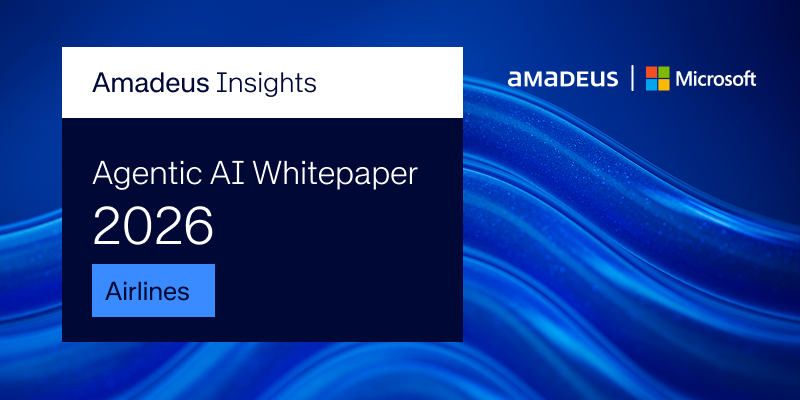 Airlines in the agentic age: use cases and ideas for getting started with AI
Built on airline input, with Microsoft support, exploring real AI use cases.
Access whitepaper
-
-
Company
-
About Amadeus
-
Careers
-
Innovation
-
Sustainability
Learn how we’re working to make travel a force for good.
-
 Amadeus Global Report
Gain insights into Amadeus' 2025 business, financial performance, and sustainability.
Read the report -
-
-
Drive incremental profit - A new era in revenue optimization.
How Volantio’s Re-Commerce Platform complements airline revenue management strategies.
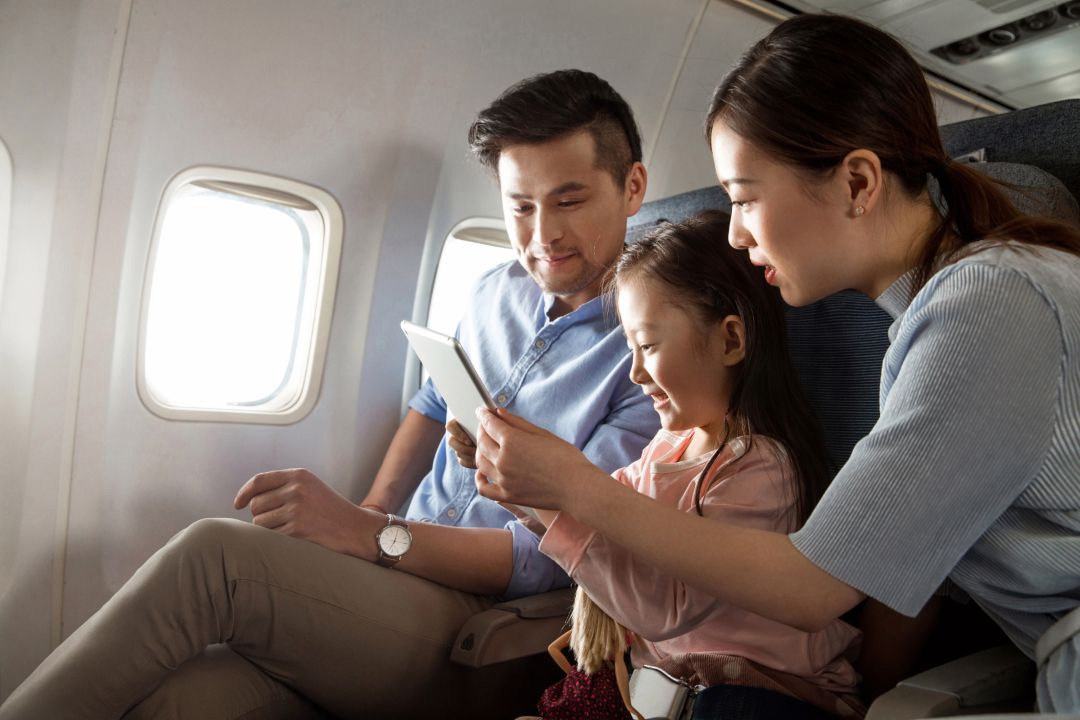
Amadeus and Volantio's latest white paper addresses how airlines can better manage market volatility and fluctuating demand in the airline industry—persistent challenges that make it difficult to optimize capacity and profitability.
Unexpected events and natural market shifts often lead to scenarios where demand outstrips available seats, resulting in missed revenue opportunities. Since their inception, airlines have grappled with these issues, losing over 2% of revenue due to passengers being turned away because of full flights (spill) or empty seats from no-shows (spoilage costs).
But there's a solution! By leveraging passenger flexibility and offering the option to change flights after booking, with appropriate compensation, airlines can effectively manage volatility. Since 2019, Amadeus and Volantio have partnered to enhance demand forecasting before booking and unlock additional revenue after booking. Volantio’s Re-Commerce is a game-changer for airlines aiming to boost their revenue potential and optimize revenue management strategies.
By adopting Re‑Commerce, airlines can:
-
Increase revenue potential on peak flights by freeing up premium seats for resale and resolving overbookings in advance.
-
Boost load factors and free up space for schedule-sensitive travelers.
-
Boost customer and employee satisfaction.
-
Reduce net carbon emissions per passenger flown by up to 1%.
The full paper is available to download now
Download white paper